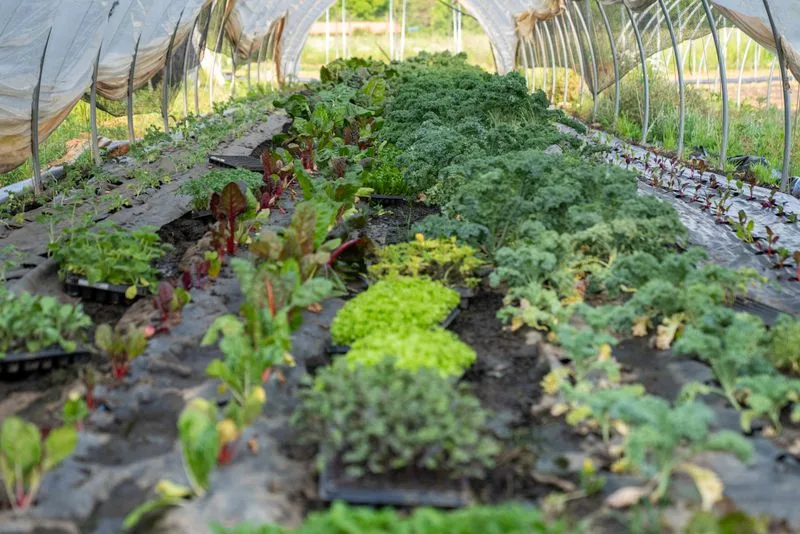
Leaf and salad
Cut-and-come-again mixes, gem lettuce, mustards and chicory grown under shade cloth so they stay sweet through the July heat.
Havenrow is 240 acres of hand-worked ground in the Vancouver valley. We grow 94 crops without synthetic inputs, cut them the morning they travel, and hand them to the people who eat them.
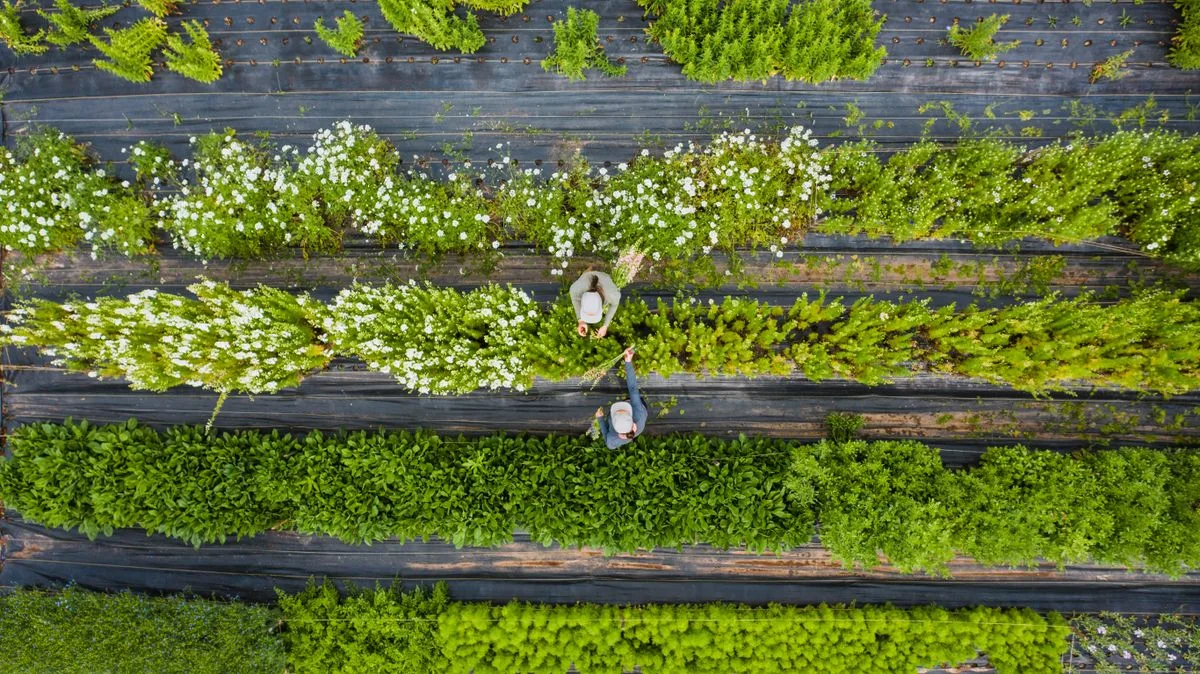
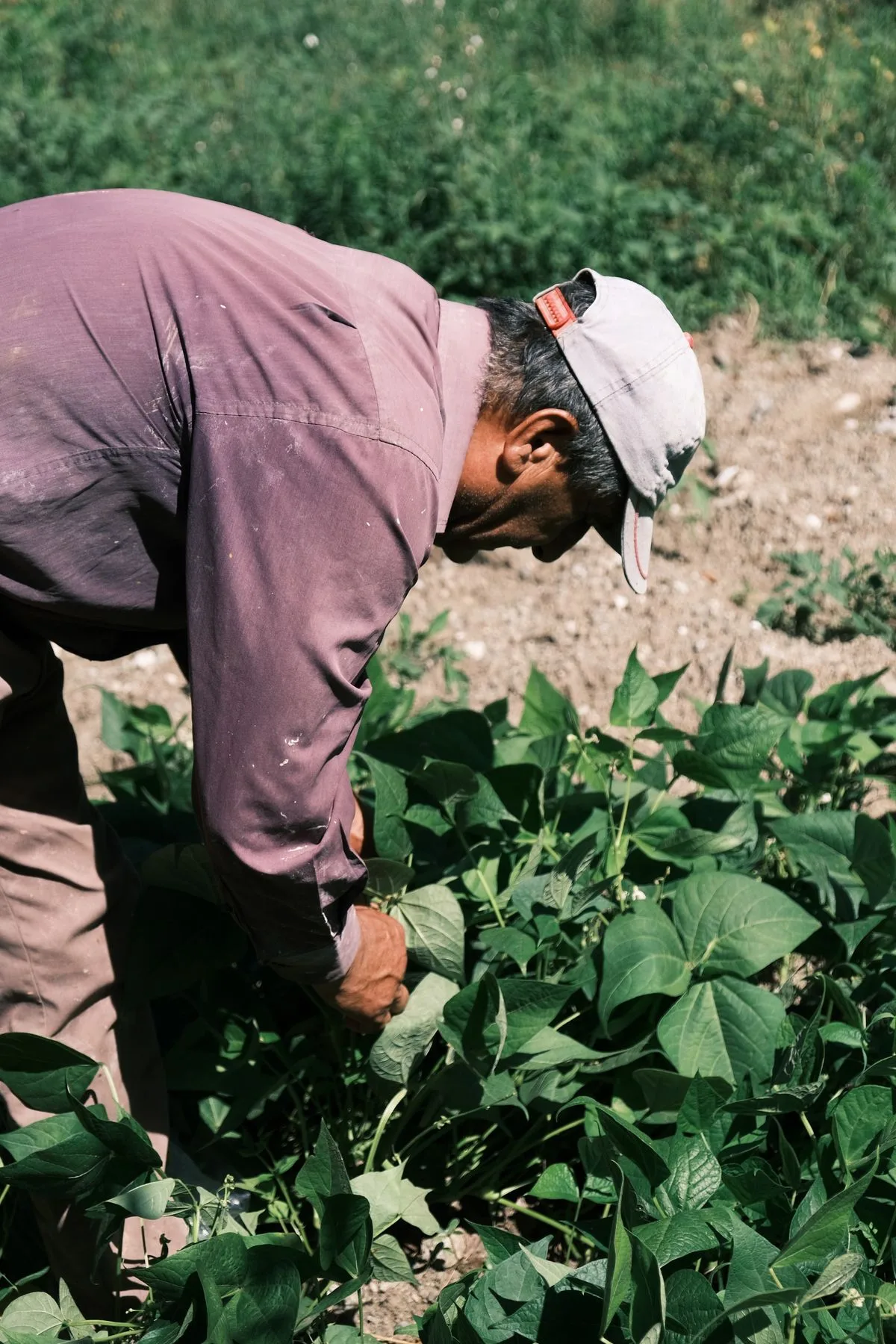
Havenrow sits on old floodplain ground that had been row-cropped flat for forty years. We spent the first six seasons rebuilding it — cover crops, compost from our own dairy neighbours, and long rest for the tired blocks. Organic matter has climbed from 1.8% to 4.6%, and the fields now hold water through August without irrigation on two-thirds of the acreage.
See what's in the groundIn 2009 two of us leased a corner block and planted 4,000 heads of Music garlic. We sold every bulb at the Saturday market and learned the thing that still runs the business: when the person growing the food knows the person eating it, quality stops being a marketing claim and starts being a reputation you can lose in a week.
Meet the growersWe're converting a neighbouring parcel to organic certification by 2029 and putting sixty acres into perennial hedgerow, orchard and pollinator strip. Alongside it we're building an open seed library of regionally adapted varieties — the peppers, beans and squash that actually want to grow in this valley — free to any farm within a hundred miles.
Read the field numbersEvery box is packed the same morning it goes out. If a crop comes up short we tell you before delivery rather than filling the gap with something bought in. And if what arrives isn't right, we replace it on the next run without asking for the evidence — we've never needed to.
Read common questions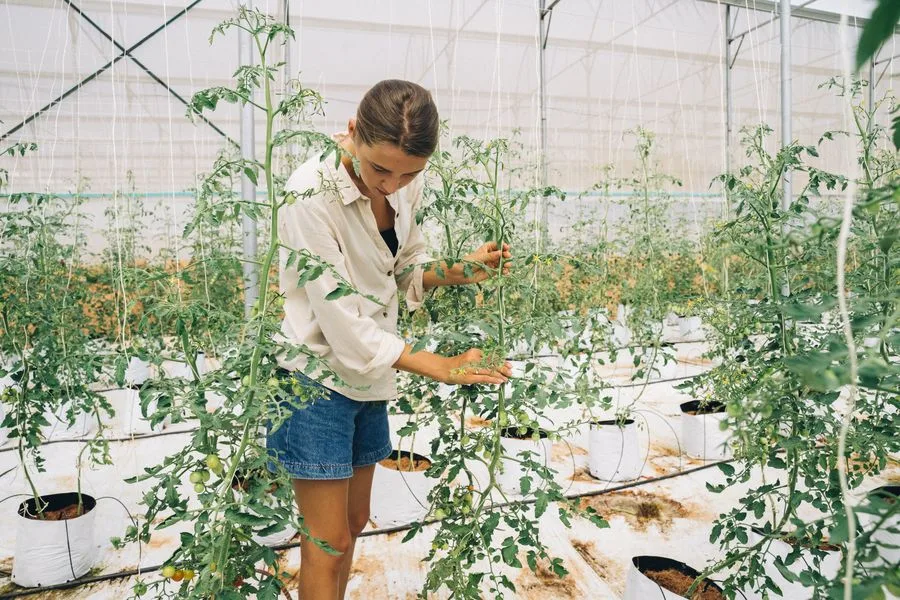
Inspected annually since 2009. Every input, seed lot and field record is open to members who ask to see it.
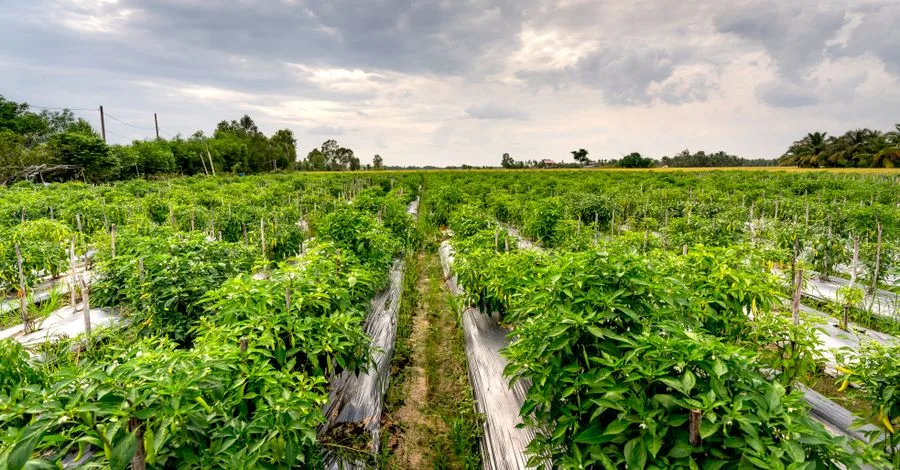
Cover cropping and compost rebuilt this ground over sixteen years. It now holds roughly 90,000 extra litres of water per acre.
We choose varieties the way a cook would — for taste, texture and how they behave in a pan — then build the growing plan around keeping them alive without a spray programme.
Cut-and-come-again mixes, gem lettuce, mustards and chicory grown under shade cloth so they stay sweet through the July heat.
Carrot, beet, celeriac, three garlics and the long-storing onions that carry our boxes from November through to March.
Tomato, pepper, aubergine and cucumber raised in the tunnels, picked at colour rather than at hardness.
Rotation crops that feed the soil and then feed you: einkorn, buckwheat, borlotti and a black turtle bean we've selected for nine years.
Forty colonies live along the windbreaks. They pollinate the squash blocks and give us a hedgerow honey that changes character every month.
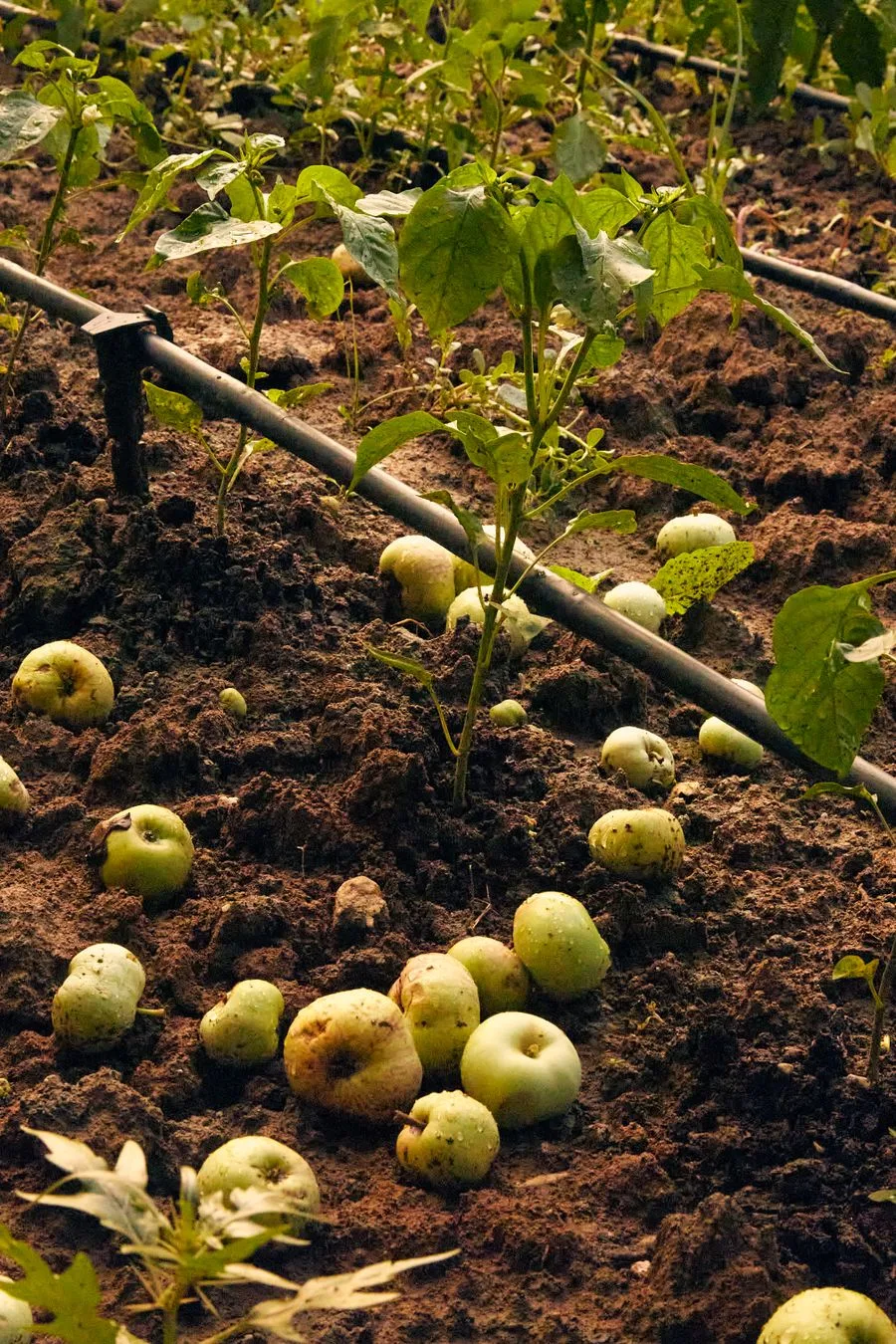
Heritage apple, quince, damson and a long raspberry run. Small volumes, sold whole or turned into the ferments in our kitchen barn.
This is the actual sequence a bunch of carrots follows on a Thursday. Nothing in it waits in a warehouse.
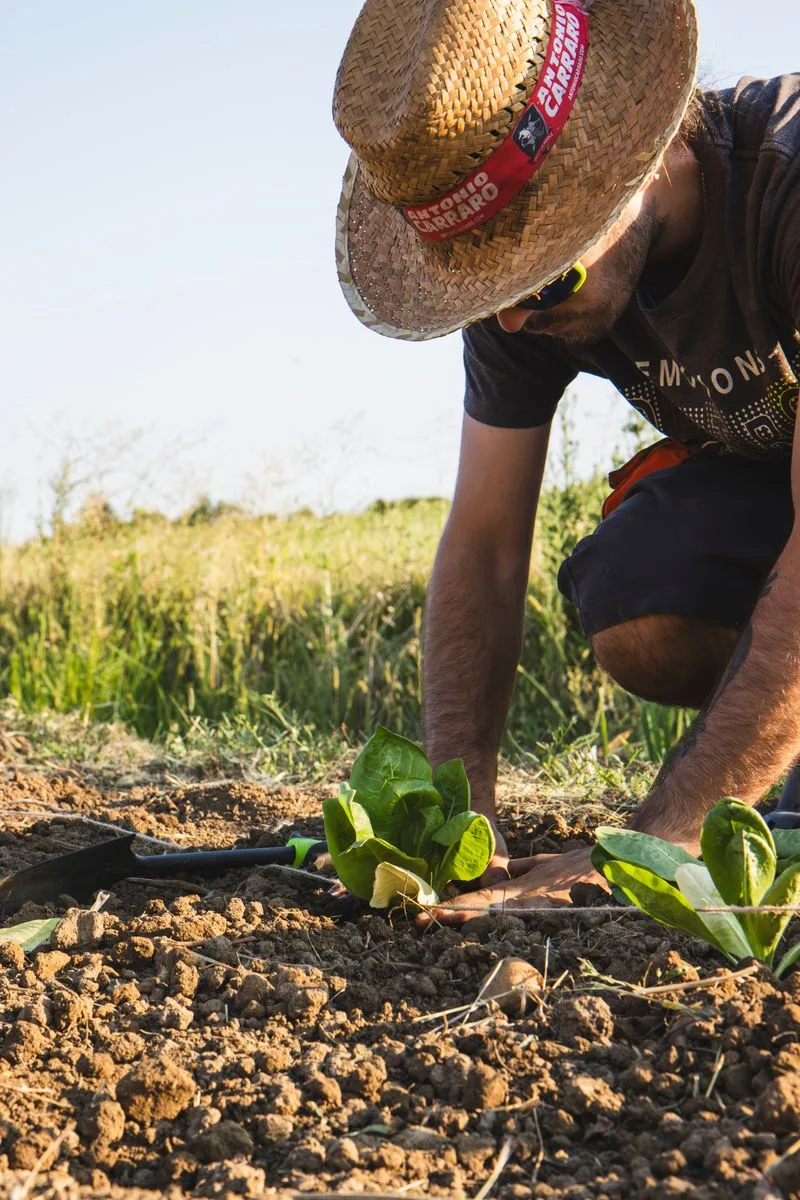
Every bed is mapped a season ahead so successions land weekly. We plant what the boxes need, not what stores longest.
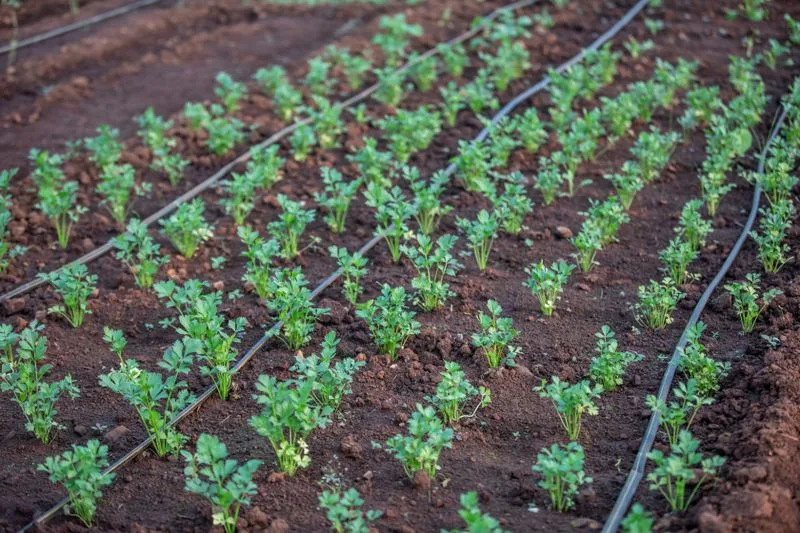
Harvest starts at first light while field temperature is still under 14°C. Sugars stay in the leaf instead of burning off.
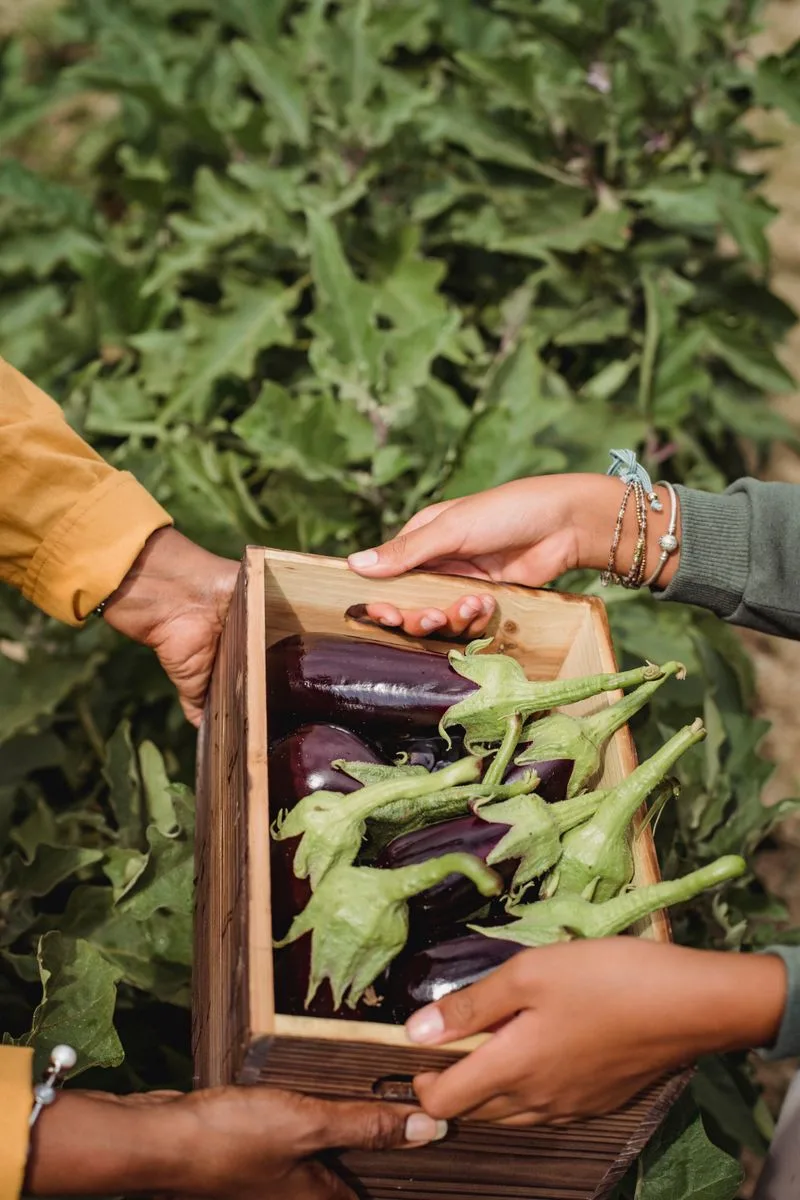
Cold-water rinse, hand grading, and straight into your named crate. No plastic film, no gas ripening, no re-packing down the line.
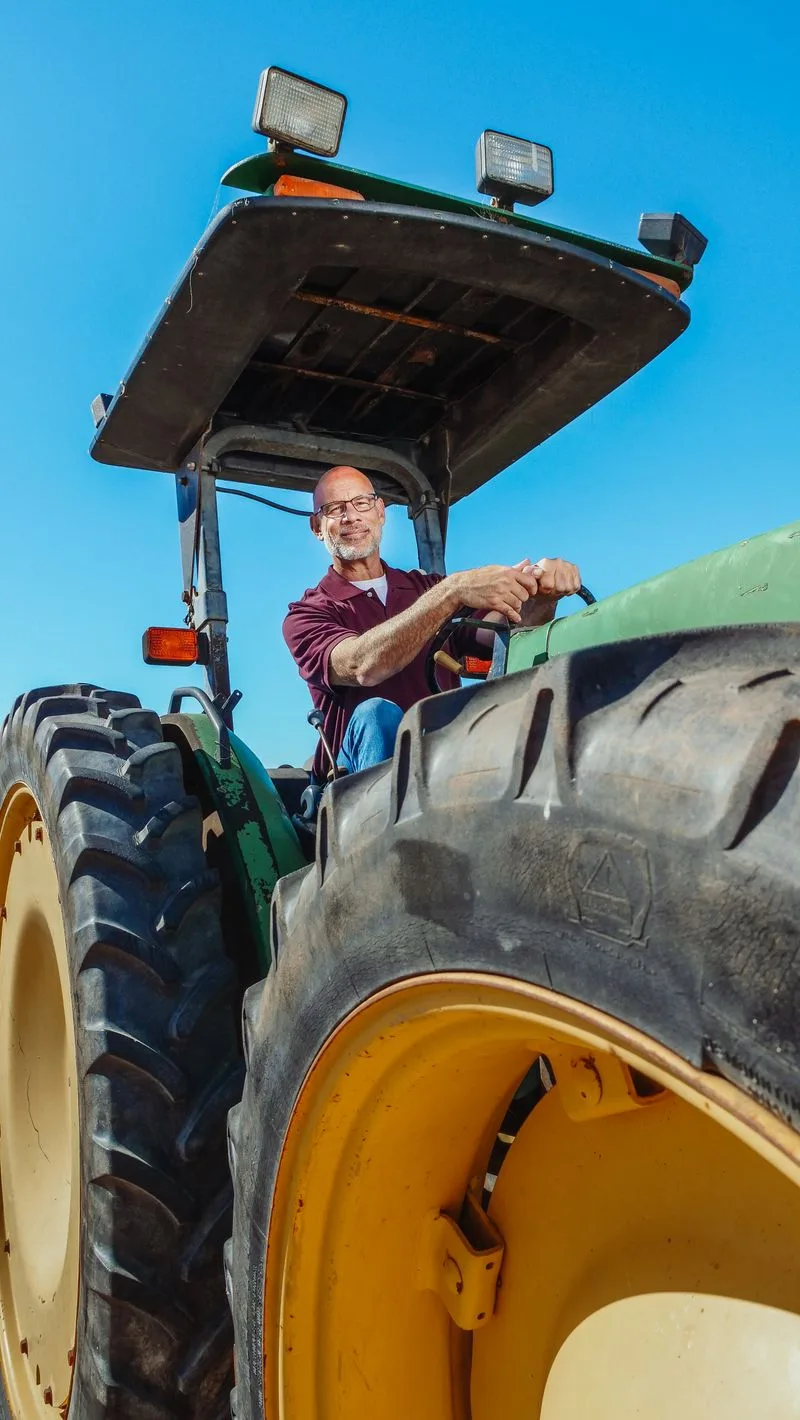
Two electric vans run four fixed routes. Crates come back the following week and get used again for years.
Shares run in twelve-week blocks. Pause any week, swap two items, and cancel at the end of a block with no fee.
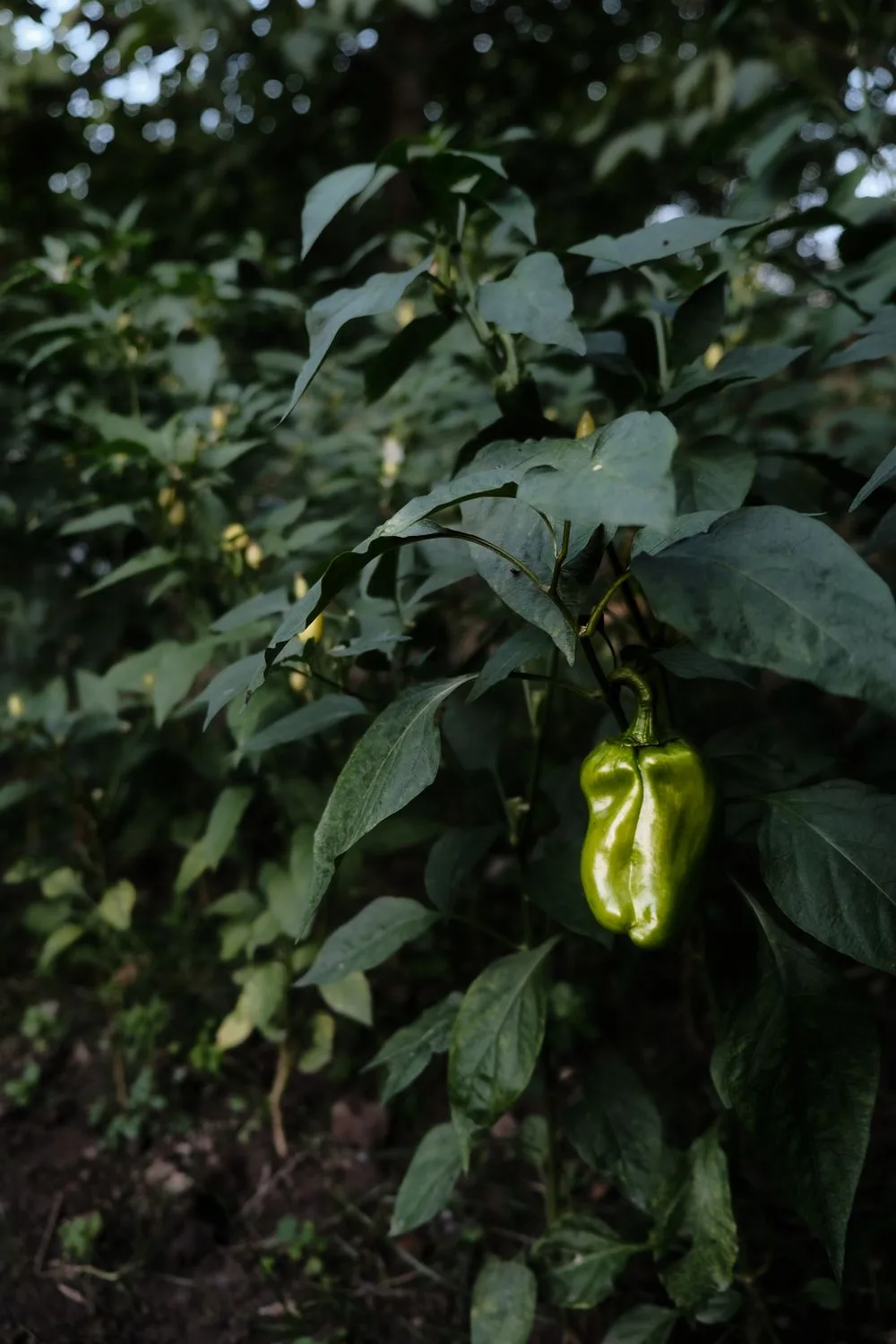
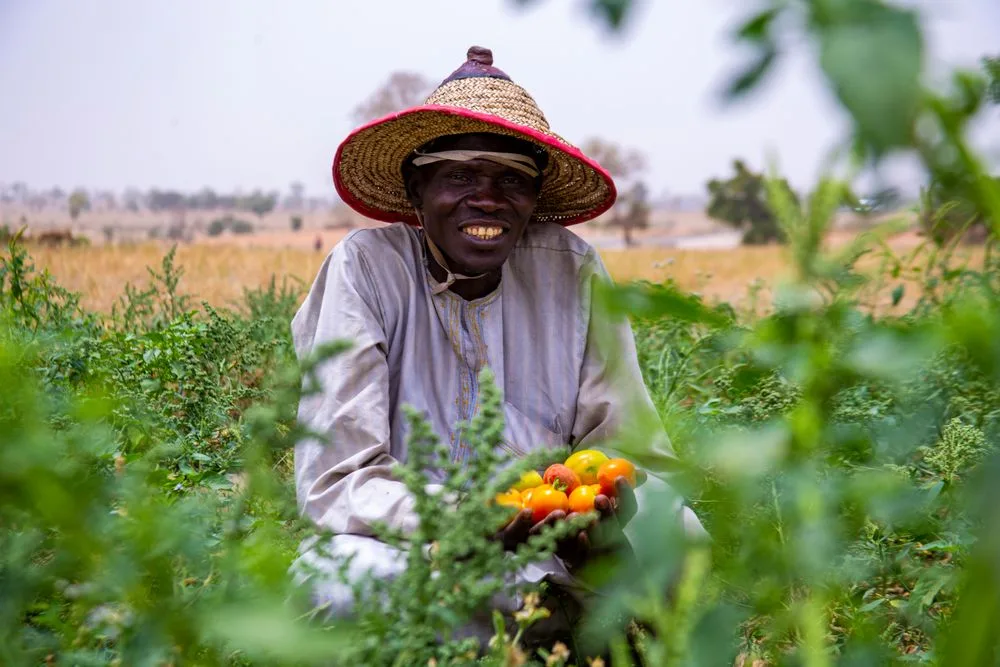
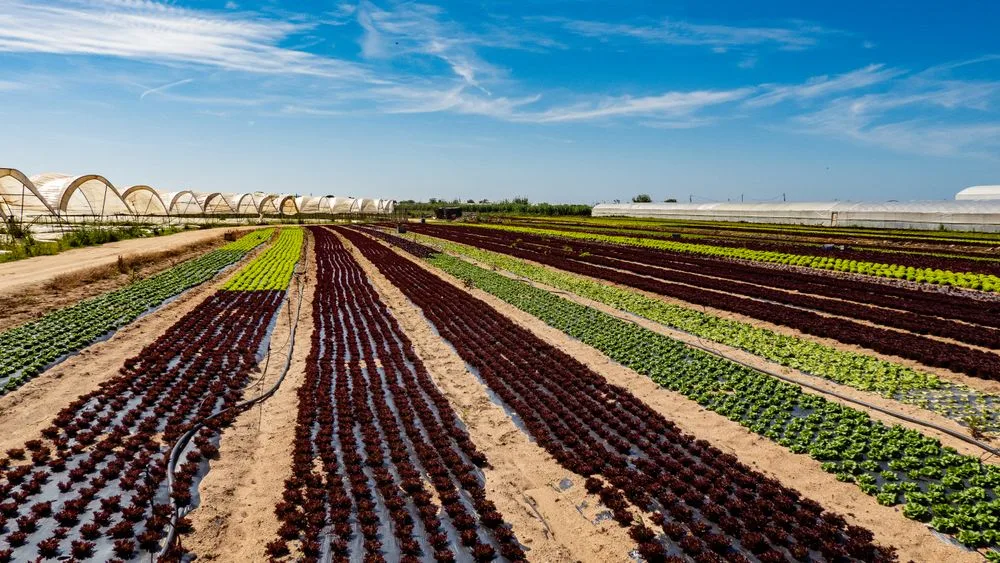
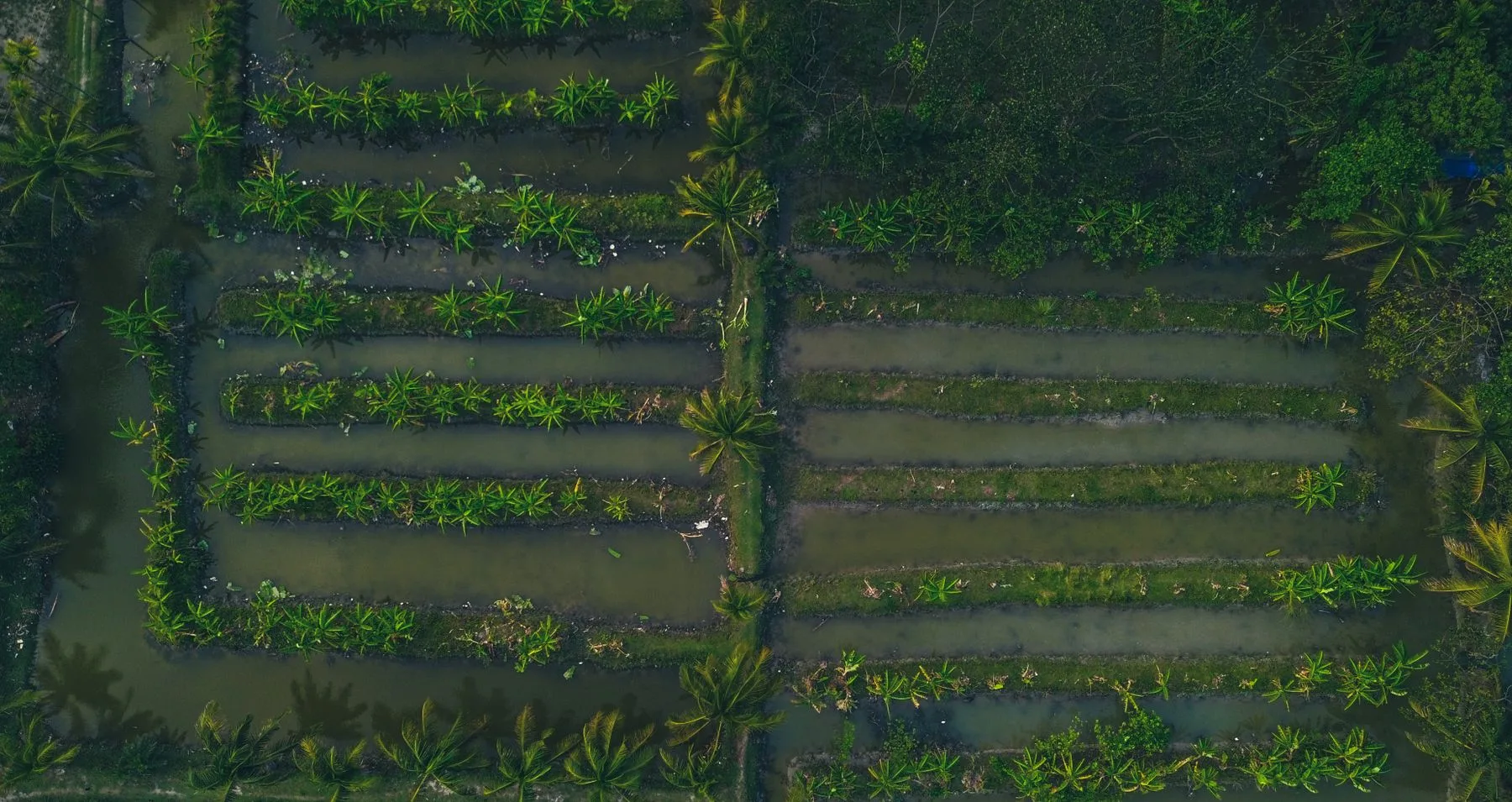
Our apprentice keeps a camera in the pack shed. These are from the last six weeks of work.
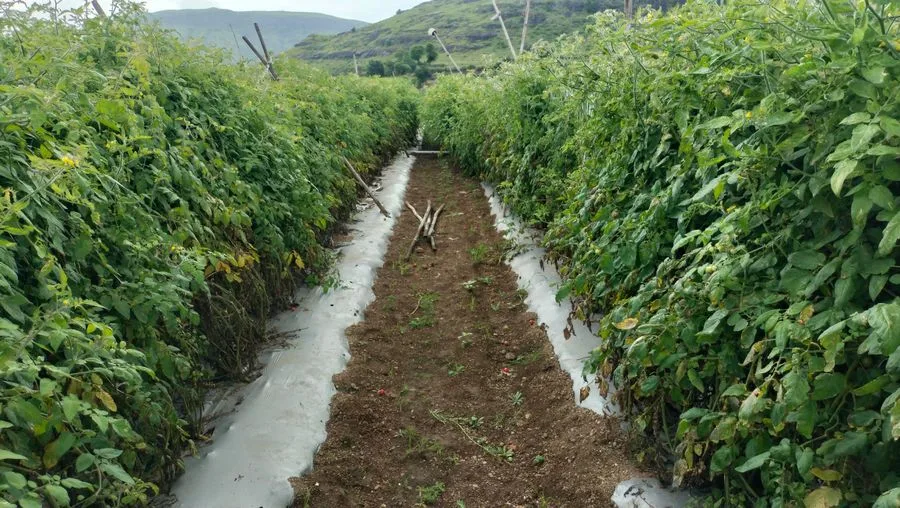
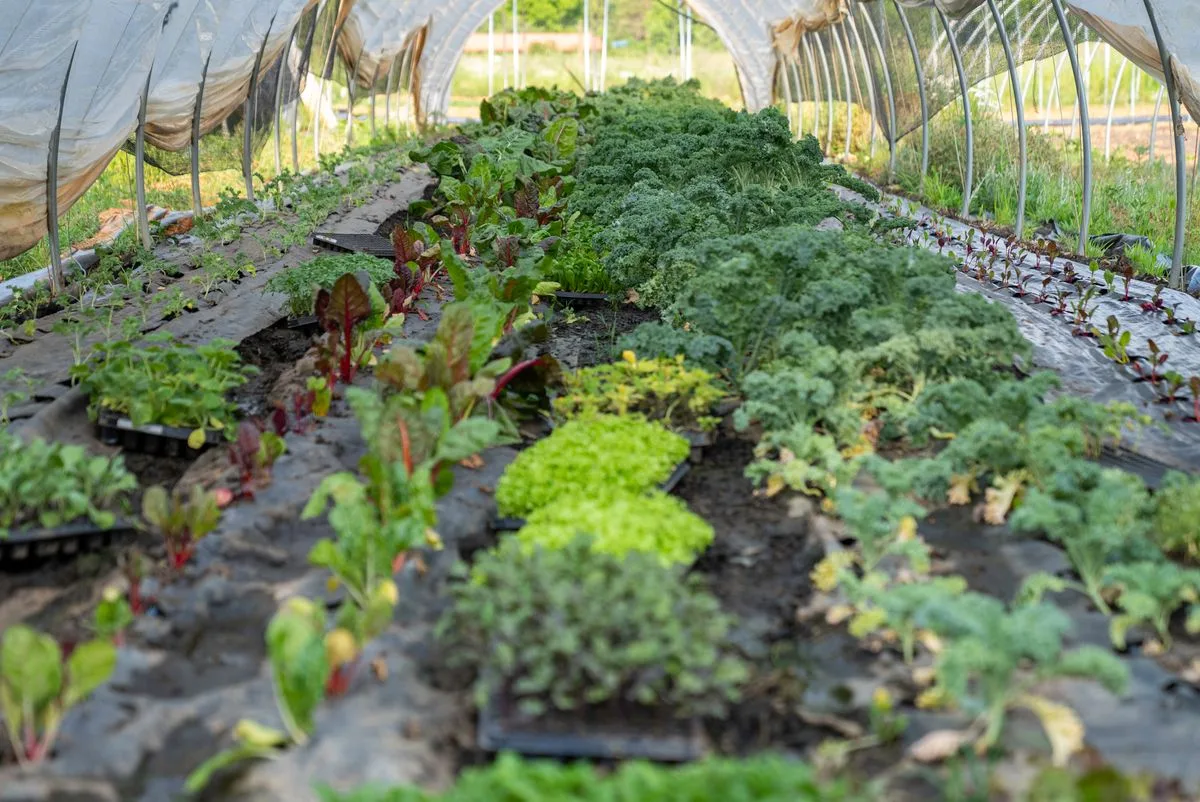
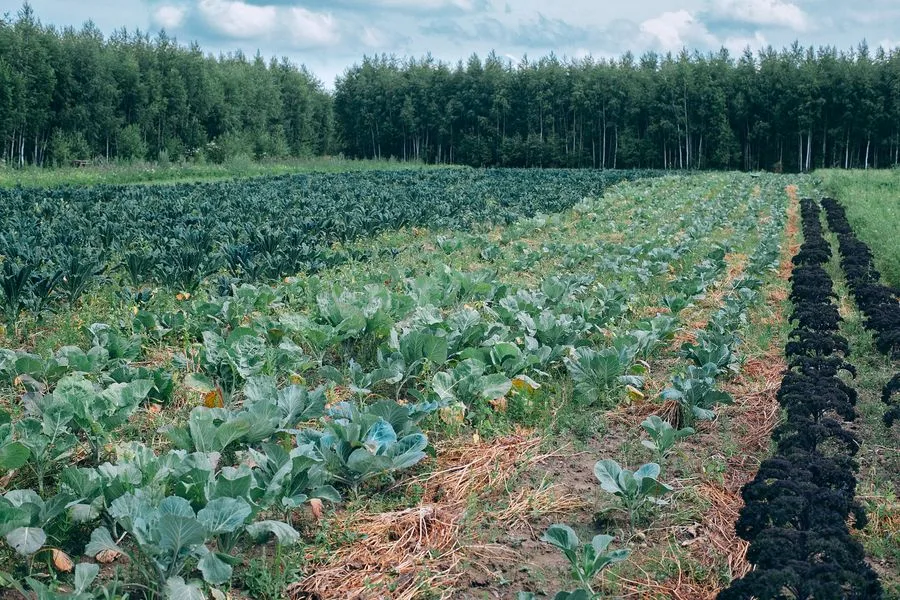
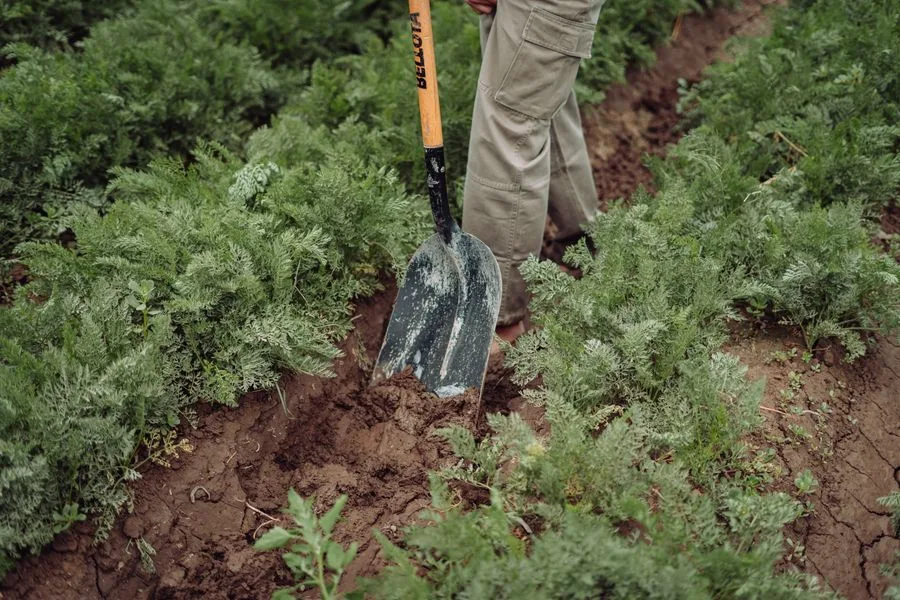
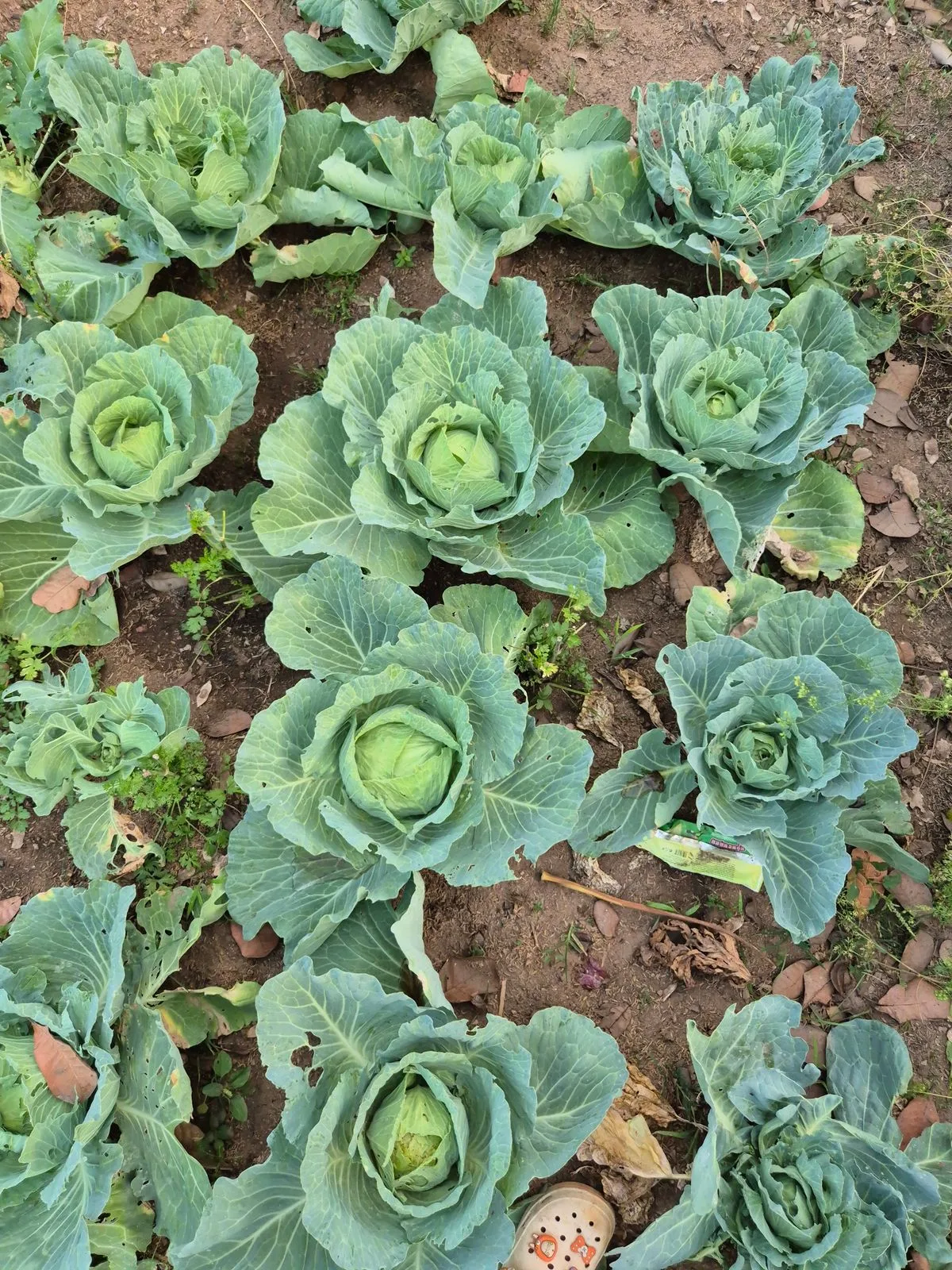
Everyone on the crew is salaried year-round. Winter is for pruning, planning and paid training, not layoffs.
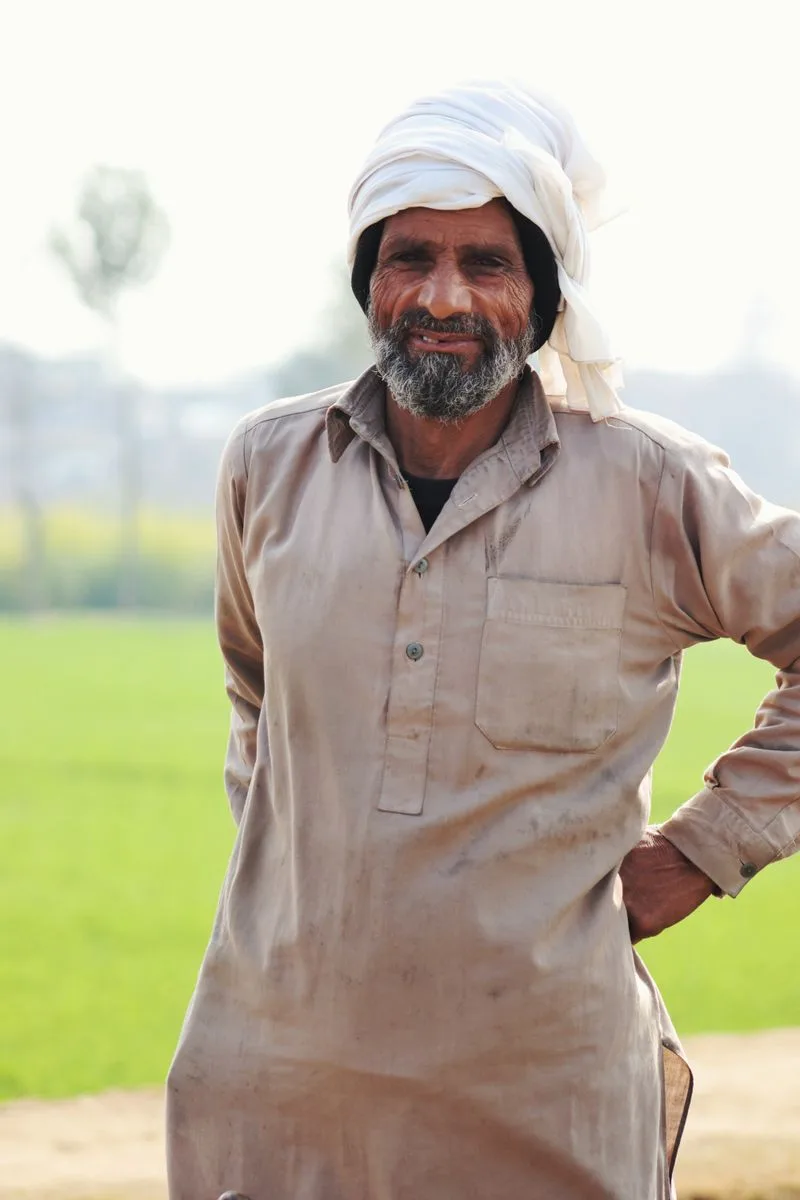
Runs the crop plan and the rotation map. Sixteen seasons here, and the reason our garlic still sells out in April.
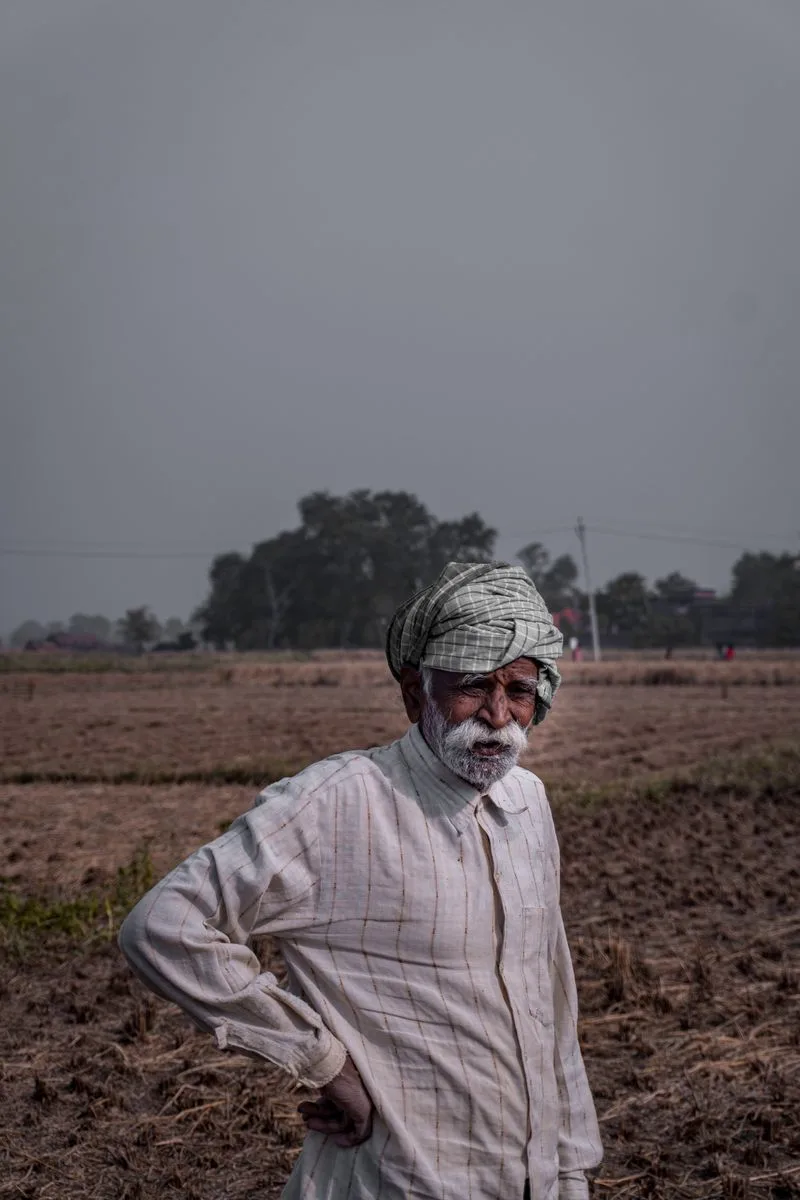
Keeps the compost programme and the sixteen-year soil record. She'll happily show you the graph.
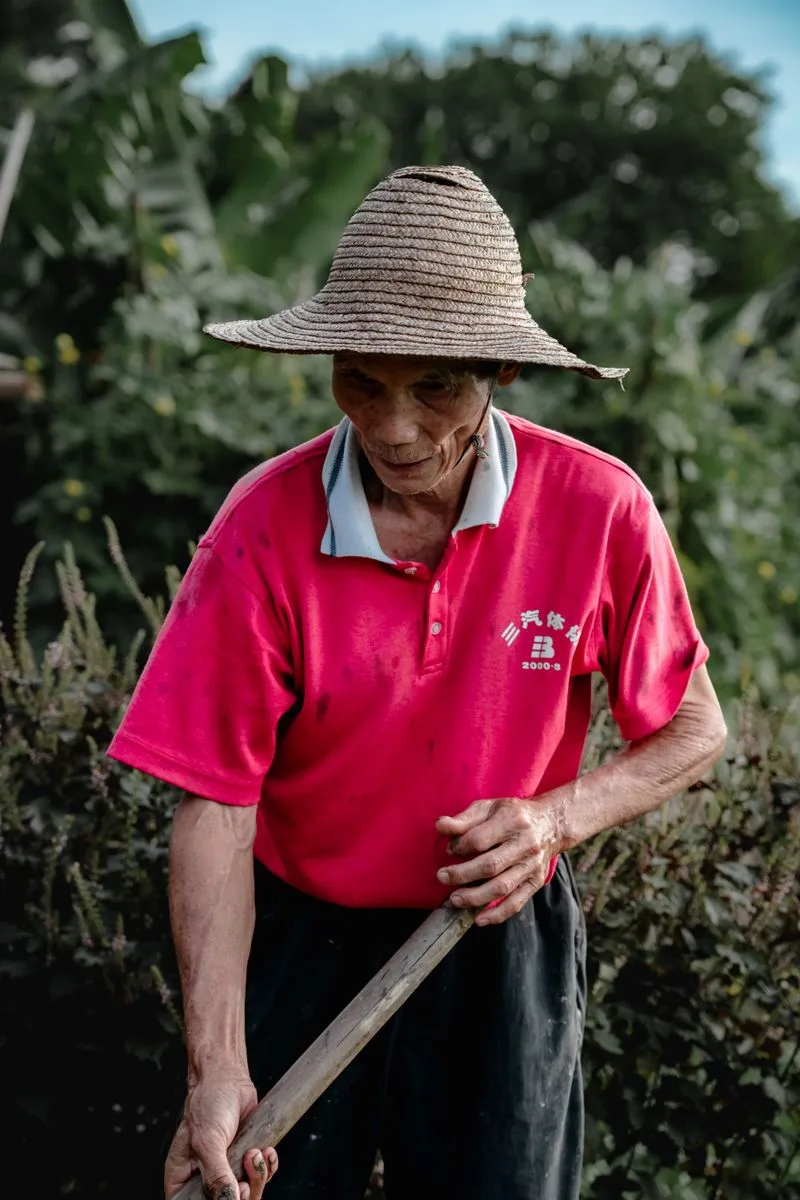
Raises every transplant that leaves the glasshouse and selects the seed we save each autumn.
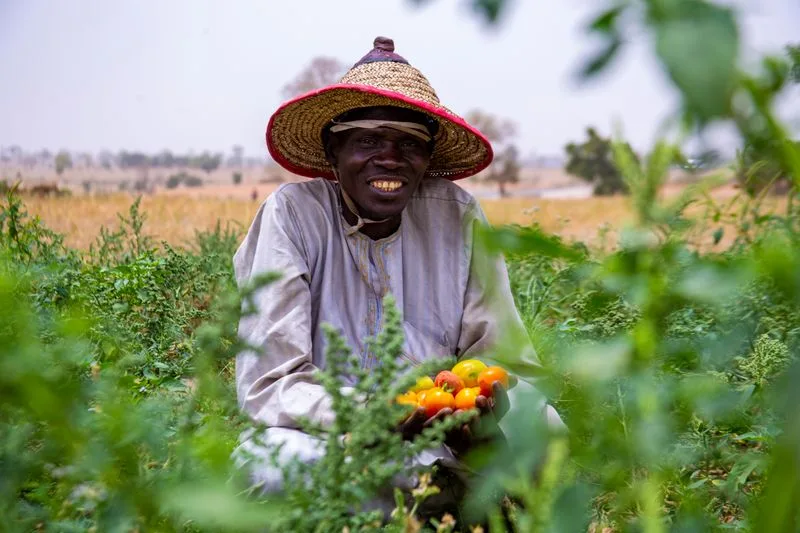
Runs the Thursday cut and the pack shed. If a crate is short, he's already called you about it.
The corn arrived still cold from the field. I've never had to explain to my children why vegetables taste different — they just noticed.

We build the menu off their eight-week crop list. It's the only supplier relationship where I plan around what's coming rather than what's cheap.

A hailstorm took half their brassicas one August. They emailed everyone that night, explained it, and refunded the week. Nobody left.

I cook for a nursery, so the produce has to be spotless and it has to arrive on time. Two years in, they have never once been late.

We joined for the vegetables and stayed for the Sunday note. Knowing what failed that week is oddly the part I trust the most.

The farm walk changed how my family eats. My son now argues about which block the carrots came from, which I did not expect.

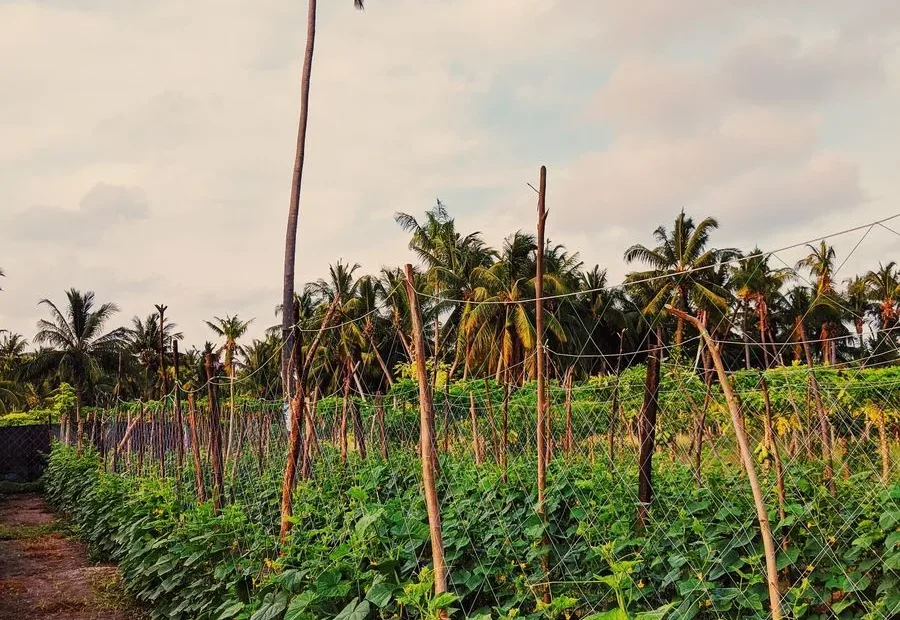
Three seasons of side-by-side trials, one collapsed row, and the cheap string method that finally won. We used to build…
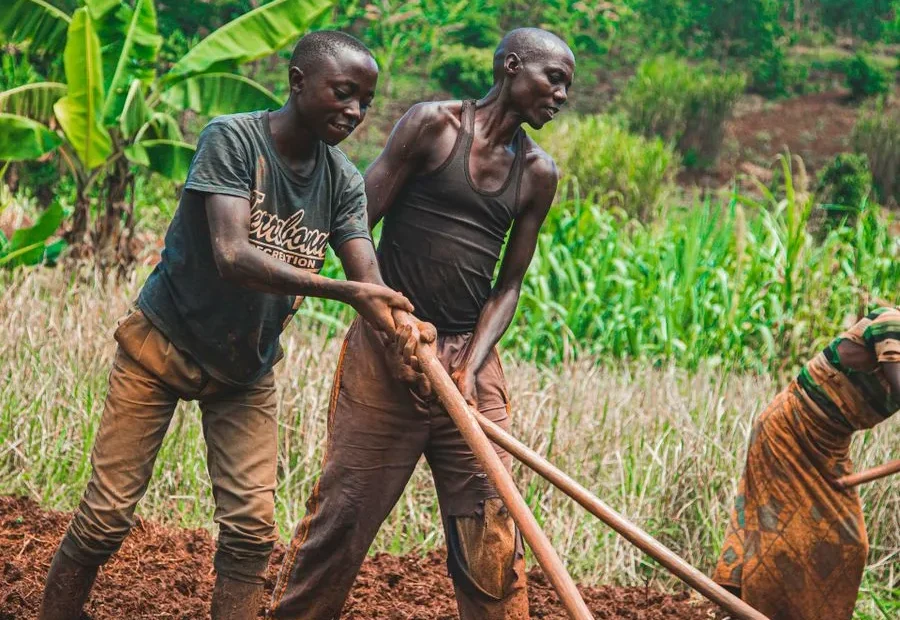
What actually moved organic matter on this ground, what did nothing, and the year we nearly gave up on Block…
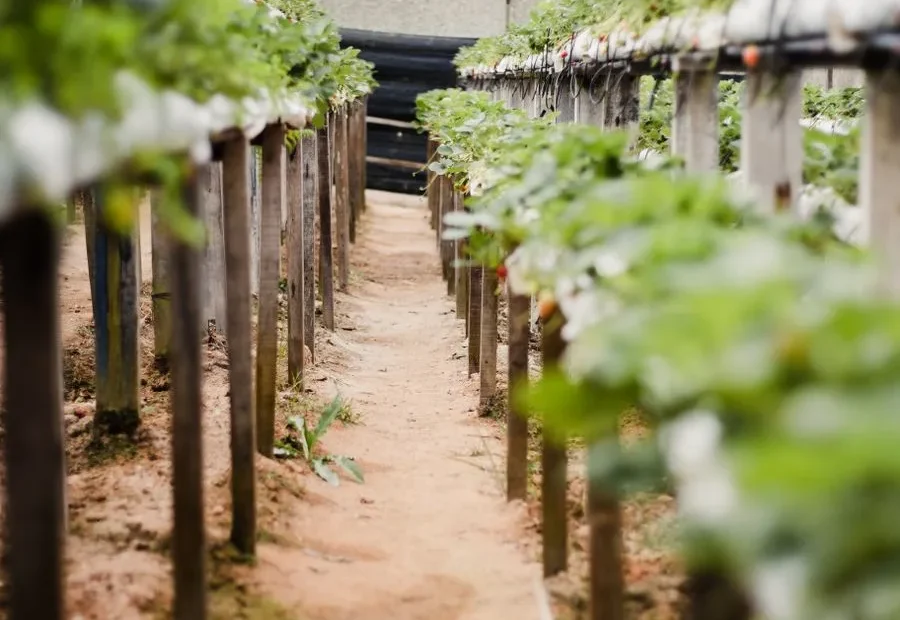
Our pack-shed cook on the week every share box gets more fennel than anybody strictly ordered. Fennel bolts fast in…
Still unsure? Call the pack shed — a grower answers, not a queue. +1 (000) 575-898
Pause from your account up to 48 hours before your delivery slot. Paused weeks are added to the end of your block, so nothing is lost and nothing is charged twice.
Partly. Each share has two swap slots per week, so you can trade out anything you don't eat. The rest follows the harvest — that's what keeps the price where it is and the crop plan honest.
Not yet. Our two vans cover four fixed routes within a 40-mile radius. Beyond that you can collect from the farm gate on Thursdays and Saturdays, or from one of nine host pickup points.
Every field, input and seed lot is inspected annually under certificate HR-4471. No synthetic pesticides, herbicides or fertilisers, and full traceability from seed packet to crate. The audit record is available to any member who asks.
One twelve-week block. It lets us plant to a known number rather than guessing. At the end of a block you can renew, change size, or stop with no fee and no phone call required.
Yes — open walks run the first Saturday of each month at 10:00, and members can book a working morning any week between March and October. Boots and a willingness to weed are the only requirements.
One note each Sunday: what's ready, what failed, what's coming in three weeks. Share places are released to this list first.