Solvara designs, installs and looks after solar, battery and wind systems across California. Free survey, honest numbers, no pressure.
Most homes are surveyed, installed and switched on inside a fortnight.
Over 2,000 households and farms powered since 2011
Approved installer for the utilities and lenders you already deal with
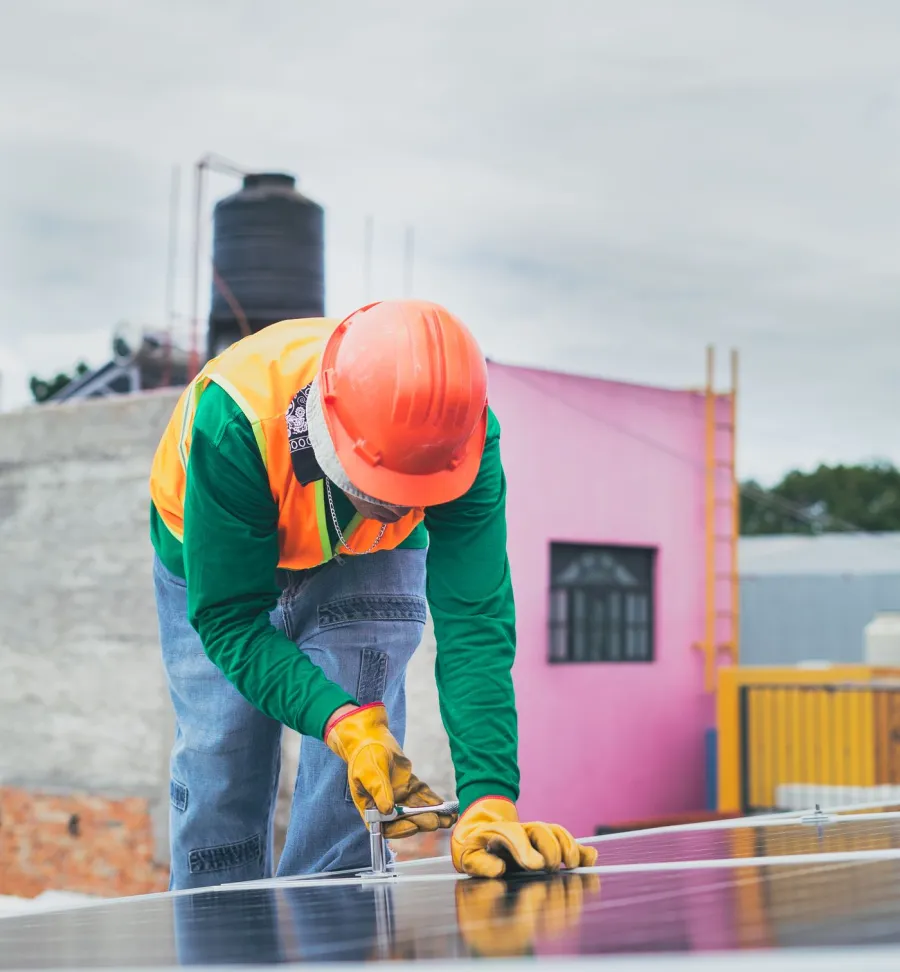
Nine in ten of our systems produce more in their first year than we promised at quote stage.
Building on California roofs since 2011, with the same crew leaders still on the trucks.
We started with one van and a ladder rack. Today we are ninety people, and we still do not subcontract a single install.
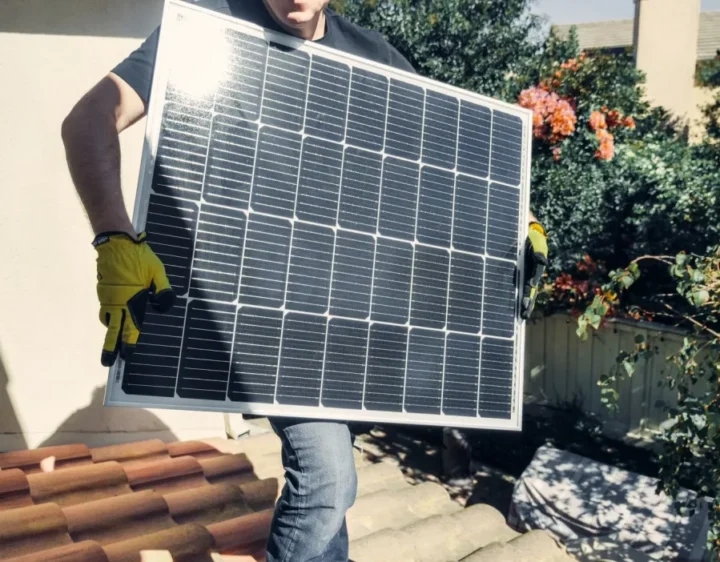
The engineer who draws your system signs the plans. The technician who fits it is the one who comes back to service it. That is the whole difference, and it is why our customers send us their neighbours.
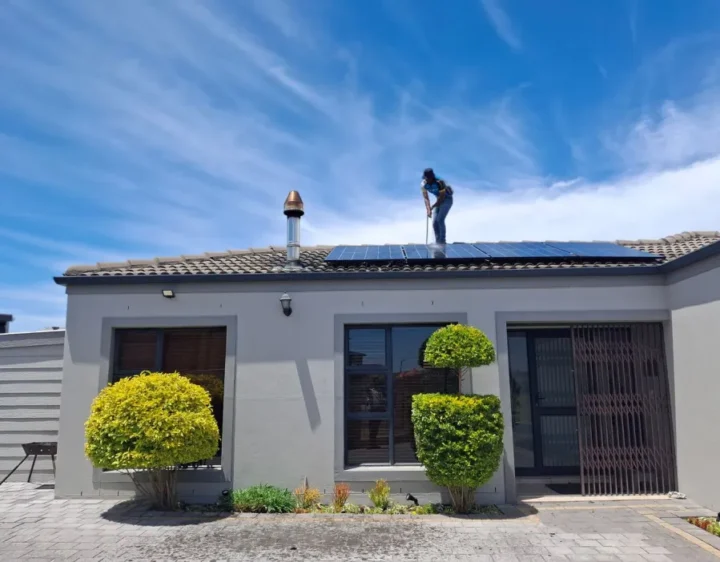
Six systems, one standard of workmanship. Whether it is a garage roof or two acres of orchard edge, the same crew shows up.
Roughly a third of our work comes from customers who already bought from us once.
Panels, inverter, roof and our labour sit under a single Solvara document. One number to call.
We name your first-year figure in the contract. Miss it and we pay you the shortfall.
Ninety people on payroll. No labour brokers, no rotating faces on your roof.
Permits, utility interconnection and rebate filings. You sign twice; we chase the rest.
From first call to switch-on is usually nine to twelve weeks. Permits are the only part we cannot speed up.
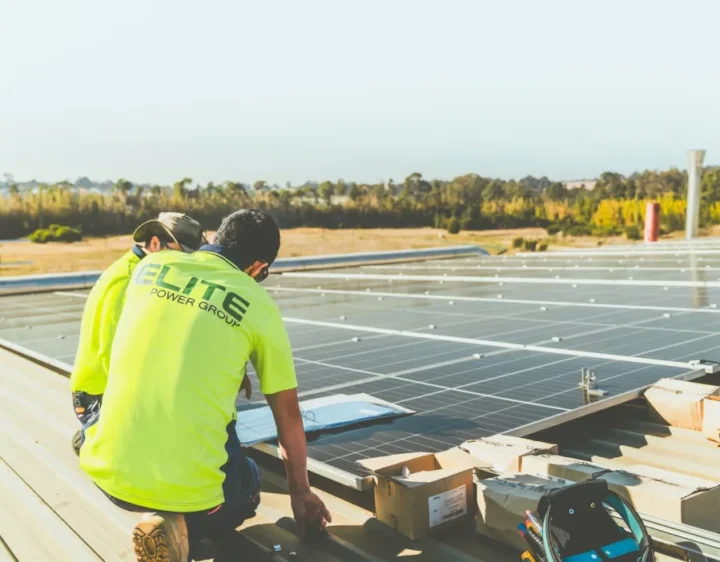
A technician climbs the roof, measures it properly and takes shade readings. Ninety minutes, and it costs you nothing.
A layout, a production estimate and a price, with every assumption listed. If two options are close, we send both.
Permits, install, inspection and switch-on. After that our team monitors the system and books the visit before you notice a fault.
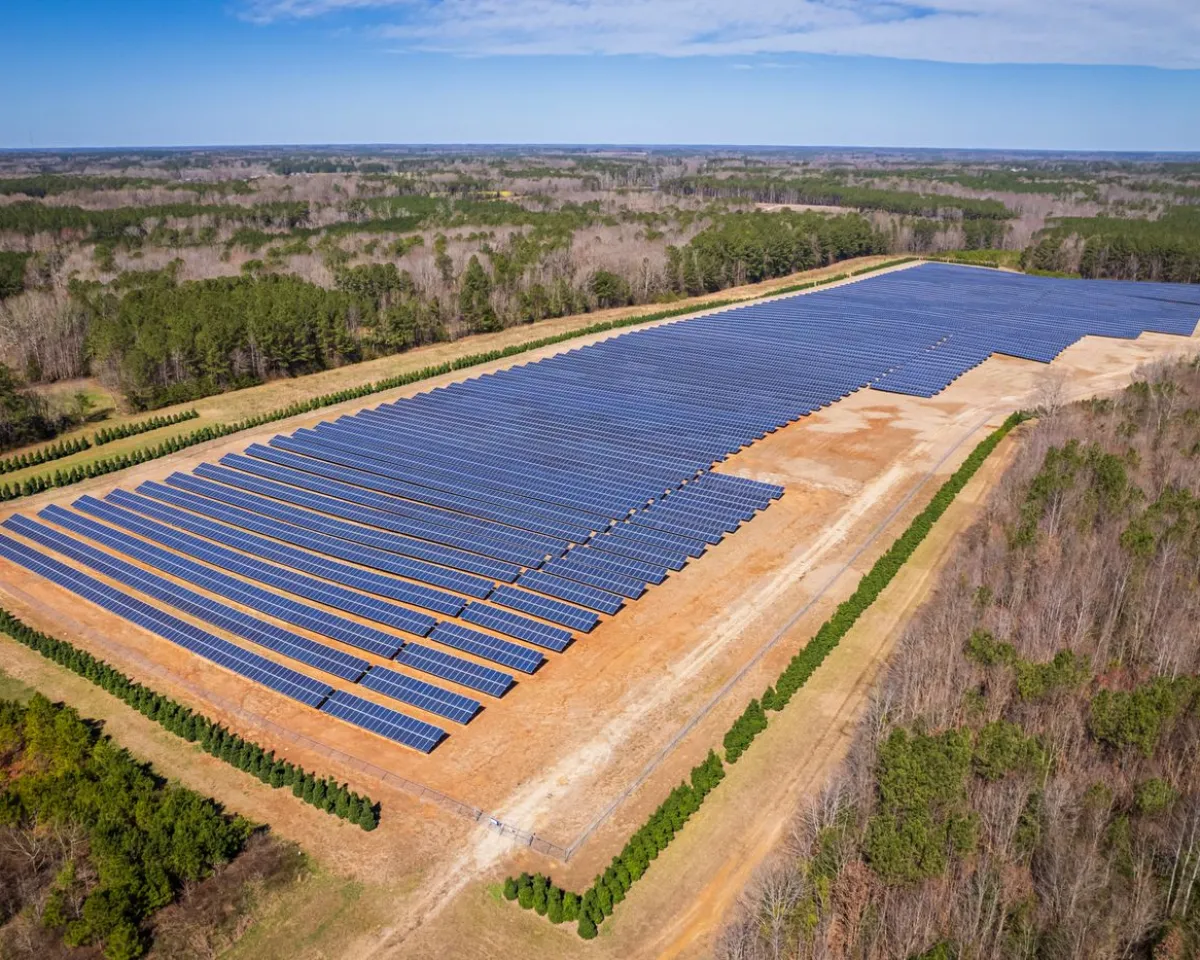
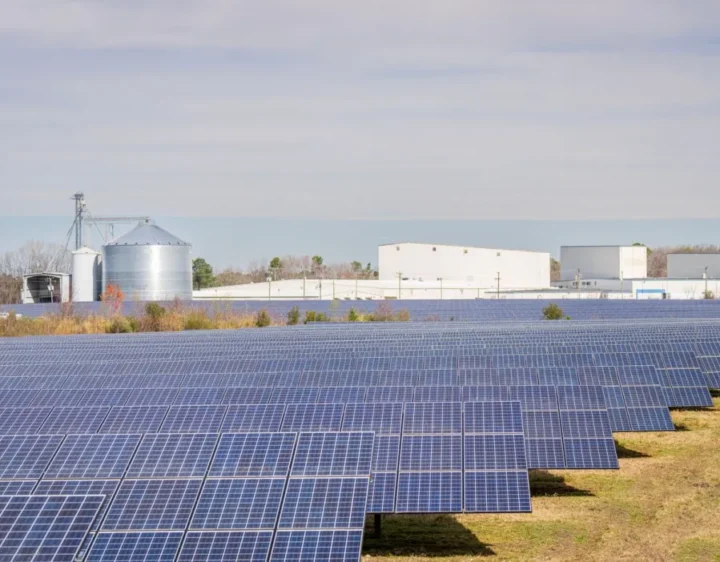
Irrigation pumps were dragging the farm into peak tariffs every August. Eleven acres of unplantable ground now carries the pump load right through the season.
Indicative pricing for a typical Central Valley home. Your survey turns these into real numbers.
A small array for a modest bill, sized to cover daytime use.
Sized from twelve months of your bills to cover the whole year.
For outage-prone areas, wells, and anyone on a time-of-use tariff.
They talked me out of a bigger system than I needed. It cost them money and bought them four of my neighbours.

An inverter died on a Saturday in July, mid-harvest. Their office spotted it before we did and the replacement was on site Monday.

Four years in, the array has produced within two percent of the figure on page three of their quote. That is the whole review.

The survey took ninety minutes and the engineer told me my roof needed replacing first. No sales pitch. We booked them a year later anyway.

Small enough that the person who quotes your job knows the person who builds it.




If yours is not here, ring the office. You will get an engineer, not a script.
+1 (000) 575-898A typical Central Valley home needs about 350 to 500 square feet of unshaded roof for full coverage. Odd shapes are fine — we work around vents and skylights rather than insisting on neat rectangles.
Every fixing is flashed into the roofing plane and warranted against leaks for twenty-five years. If your roof has under five years left in it, we will tell you to re-roof first — taking an array off and putting it back costs far more.
Solar alone shuts down during an outage — that is a safety rule, not a fault. To keep the lights on you need a battery and a backup panel. Most people back up a short list: fridge, well pump, a few sockets and the router.
We use your last twelve bills, your actual tariff bands, hour-by-hour production from your measured shade data, and half a percent of panel degradation a year. We do not assume big utility price rises to flatter the number.
Yes, including arrays whose original installer has closed. We start with a full test and a written condition report, then quote only what needs doing. About a third need nothing more than a clean and a firmware update.
An owned system stays with the property and usually adds to its value. We give you a transfer pack with the production history for your agent. Financed systems can be paid off at closing or passed to the buyer, no fee either way.
Written by the crew and the design desk. No press releases.
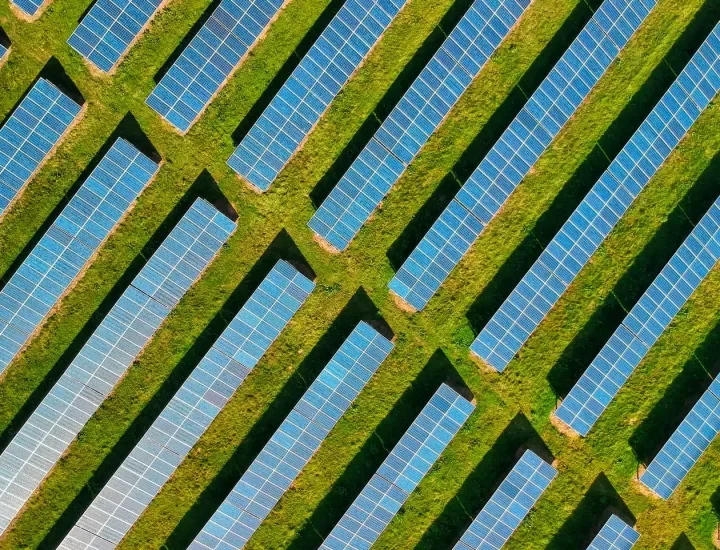
Optimal tilt looks tidy on a spreadsheet. On a real roof it adds racking and cost the extra yield rarely repays.
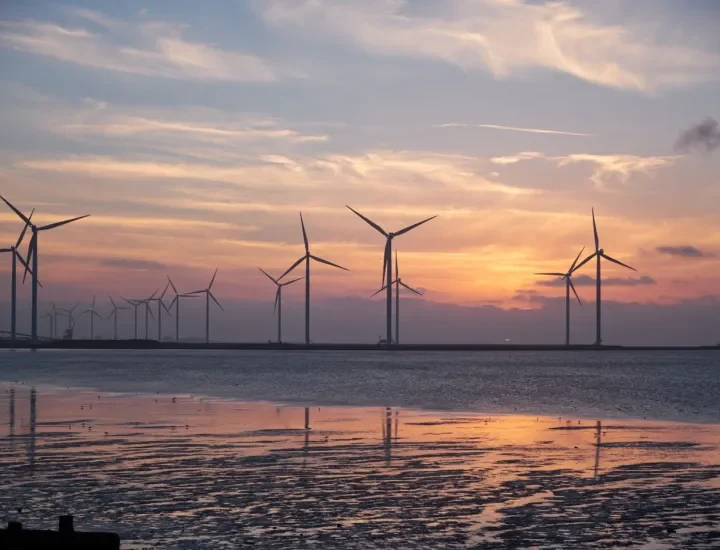
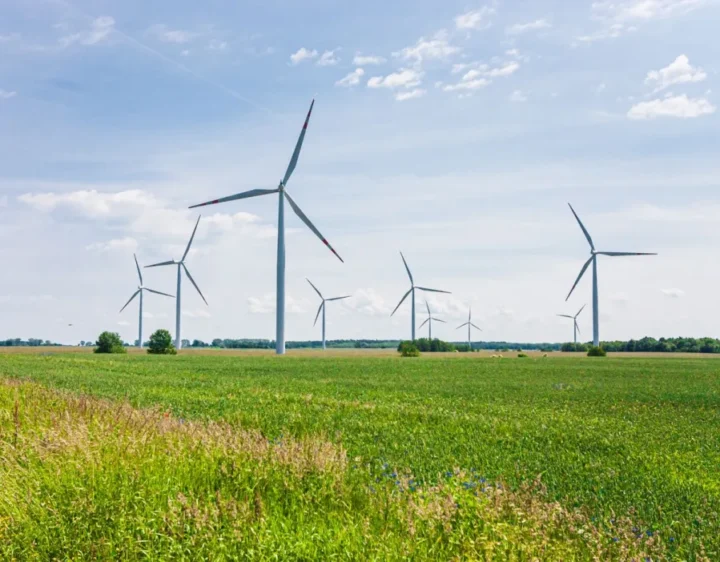
We logged four ridge sites for twelve months. Two justified a turbine, one was marginal, one we told the owner to forget.
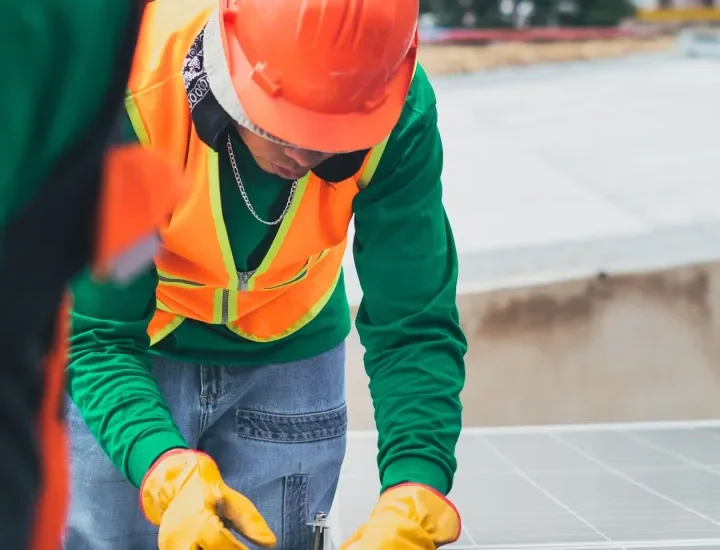
Connector corrosion, a loose grounding lug, and firmware nobody updated. All cheap to prevent, all annoying to fix.
No sales visit, no obligation. If solar is wrong for your property, the technician will say so before leaving the driveway.