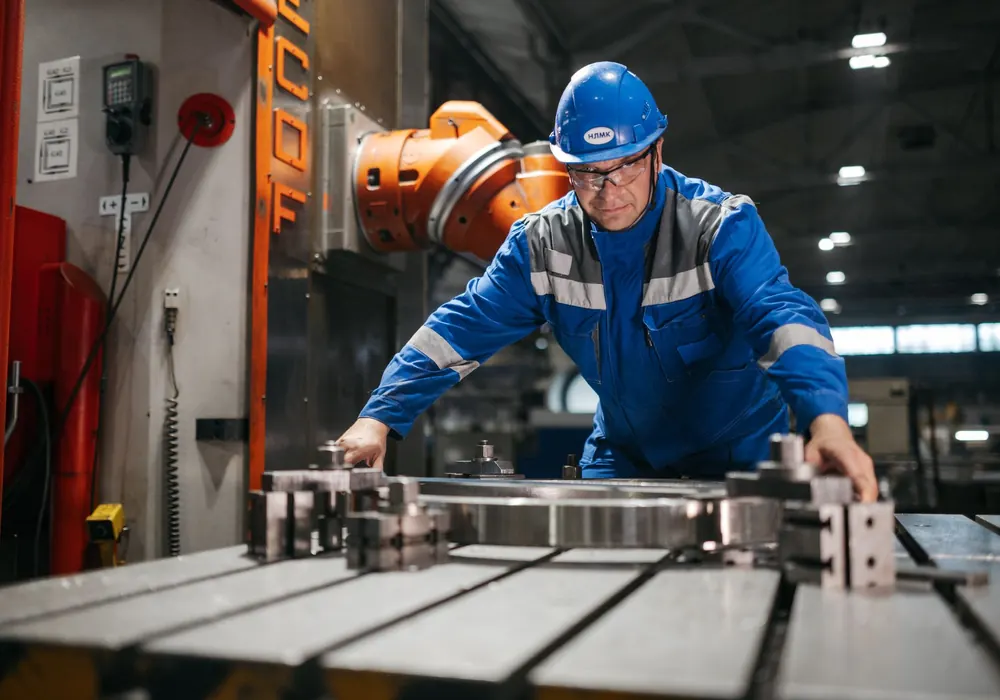
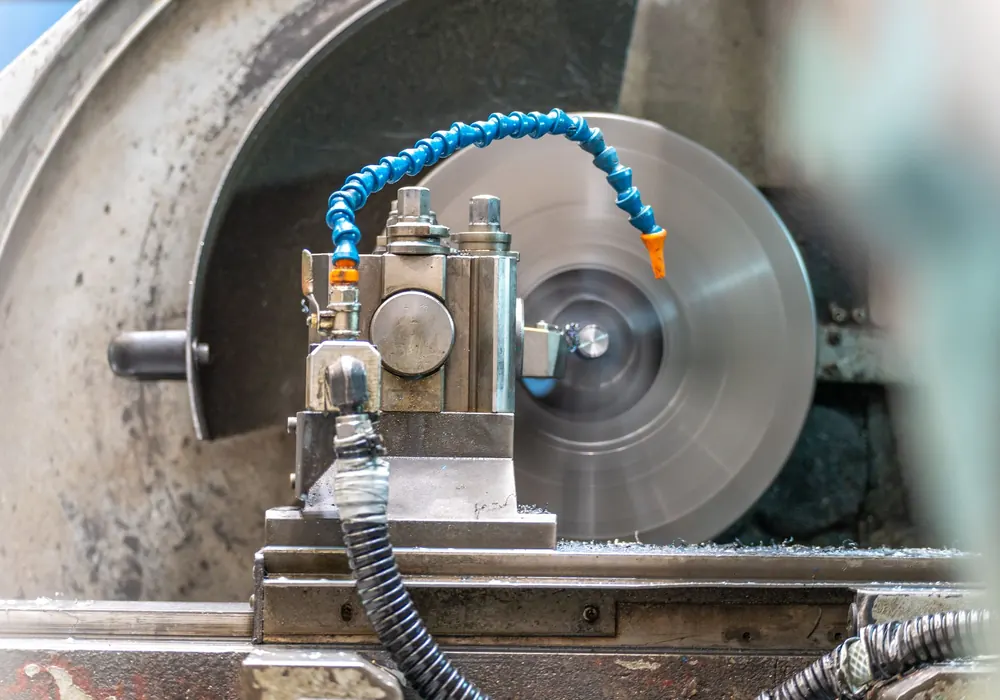
Precision CNC Machining
- 5-axis envelope to 1,200 mm
- Held to ±0.0002 in
- Lights-out third shift

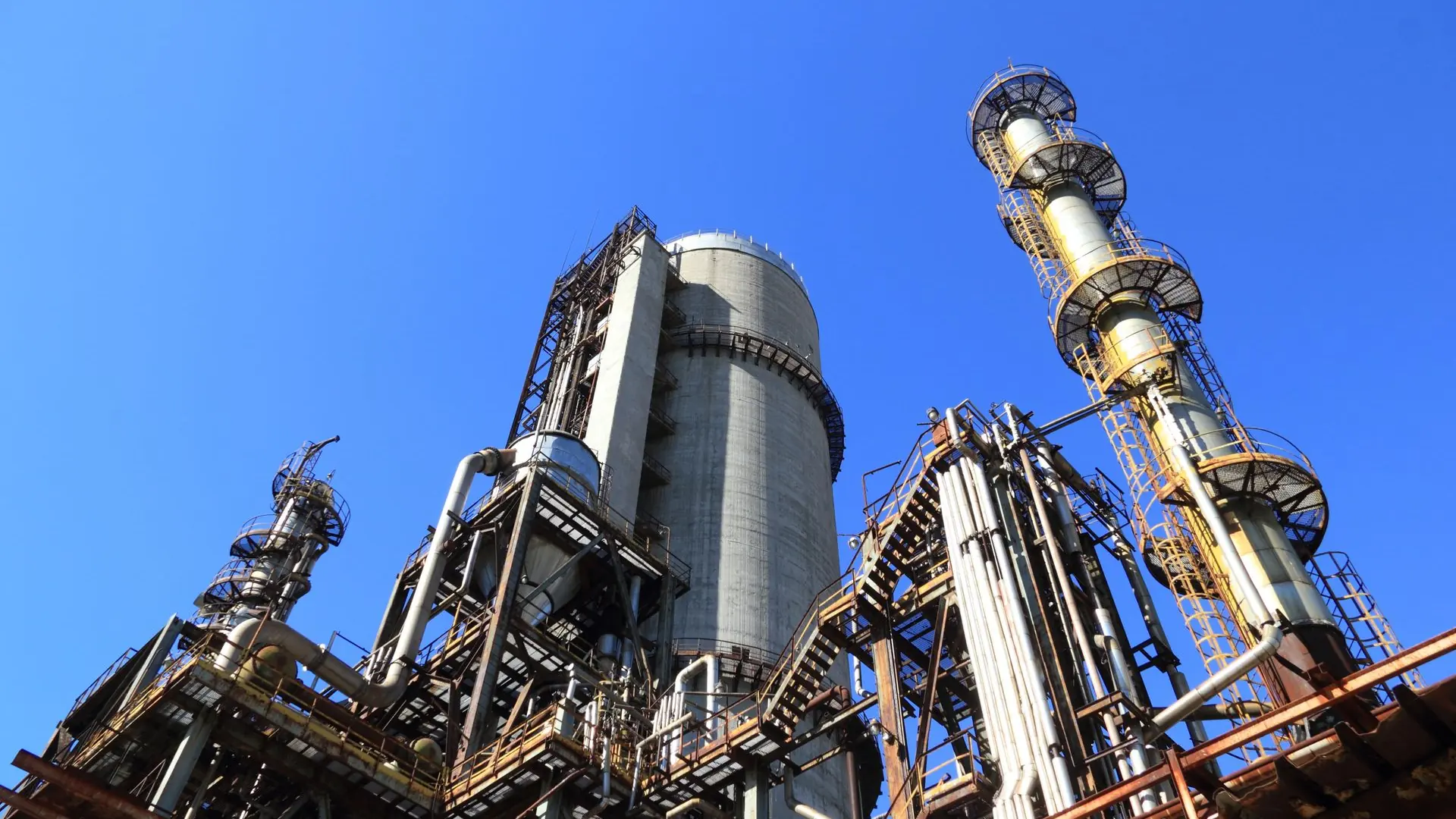


Forty-two CNC cells, a 60,000 sq ft fabrication bay and in-house metrology under one roof — so your print becomes a first article in fourteen days, not fourteen weeks.
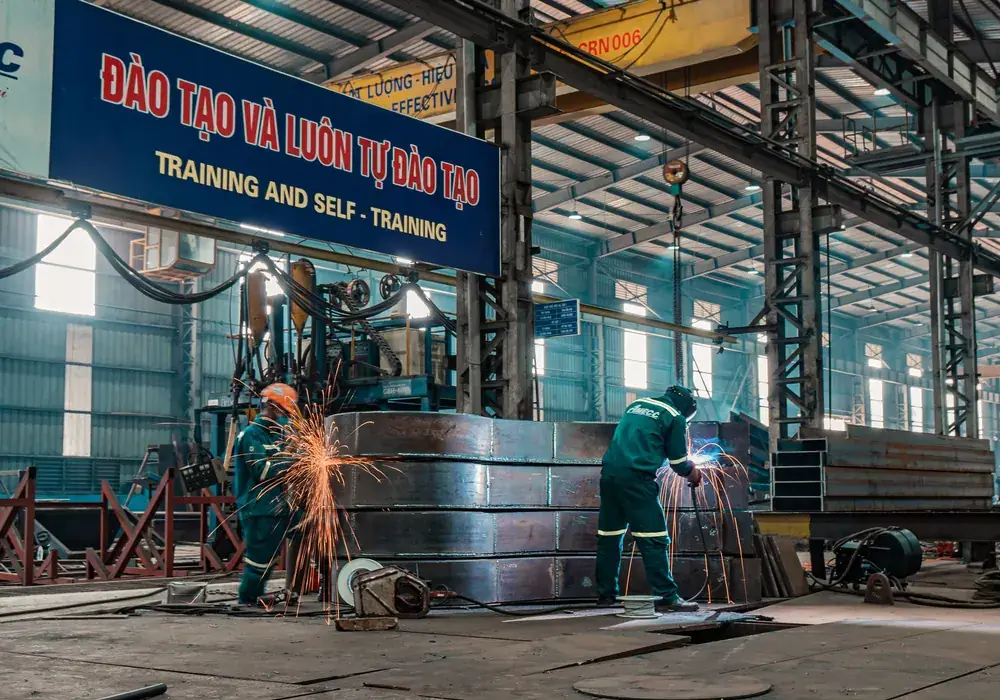
A 60,000 sq ft bay with fibre laser, a 400-ton brake and structural welding under 20-ton cranes — heavy work handled without a single outside process.
Mechanical and electro-mechanical build with torque logging and functional test, crated to your spec so your line opens one box and starts working.
Three, four and five-axis, two manned shifts plus lights-out.
Single prototypes through to 25,000-piece production lots.
Rolling 24-month average across every active program.
Same family ownership since the first mill landed in 1998.
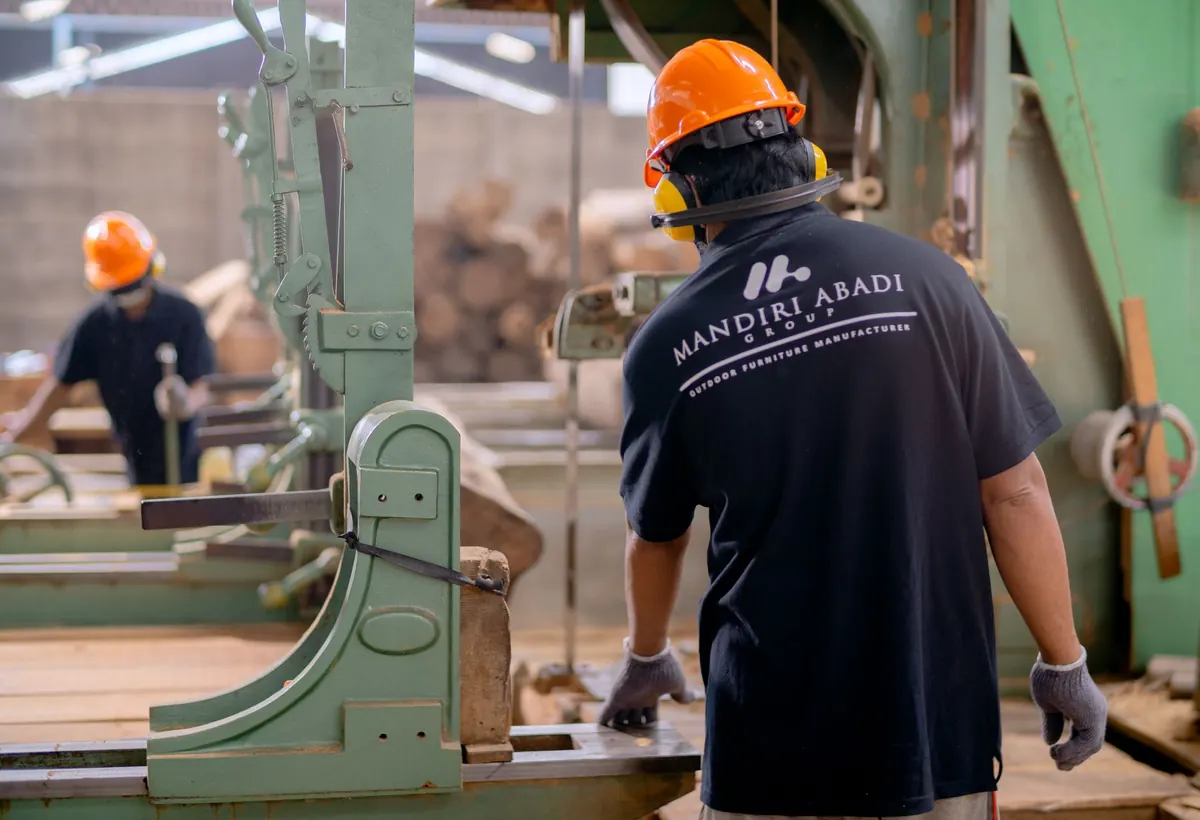

Calderworks opened in 1998 with four people taking overflow work from the valley's turbine plants. We kept the habits that made those first customers stay — answer the phone, quote in two days, own the mistake — and added the equipment, systems and certifications needed to carry a program from print to pallet.
Machining, fabrication, finishing and assembly all happen in the same building in Springfield. One supplier, one quality record, and no handoff where a tolerance quietly goes missing.
A quote inside 48 hours, a schedule we hold, and a part that passes inspection the first time.
Full digital traceability on every part we ship by 2028 — barcode back to raw heat lot, no paper in between.
Every process below is owned in-house and measured against the same print. Nothing leaves the building for a step we can do ourselves.
Turning and milling across 42 cells, from one-off prototypes to lots that repeat month after month.
Laser cutting, press braking and structural welding in a 60,000 sq ft bay under 20-ton cranes.
Six-axis MIG and TIG cells that lay the same bead four thousand times, with weld data logged per serial.
Bead blast, anodize, powder coat and passivation lines that keep parts in-house through cosmetic sign-off.
Mechanical and electro-mechanical build, tested and kitted so your line opens one box and starts working.
A climate-controlled inspection room with CMM, vision and surface analysis — reports written the way auditors expect them.
Prototype, launch, production, aftermarket — different problems, different teams. Pick the stage you're in.
All service lines
Pick a process, a material and a quantity. This gives you the indicative unit band and lead time we would open a conversation with — the same logic our estimators start from before they open your file.
Indicative only. Geometry, tolerance and finish move the number — send the print and we'll firm it up.
Send this print to an engineerEvery job moves through the same six gates. You get a named engineer at gate one, and the same person answers at gate six.
Send a STEP file or a PDF. An engineer reviews the GD&T, flags anything that will fight the process, and prices it.
We propose changes that cut cost without touching function — a radius here, one less setup there. You approve each one.
Programs written, fixtures cut in-house, cycle proven on a dry run before a single piece of your material is touched.
One part, fully measured, with a dimensional report against every ballooned feature. Production waits for your approval.
Scheduled against your release dates with in-process checks at set intervals. Run rates appear in your portal daily.
Final inspection, certificates packed with the parts, crated to your spec and released to your carrier or ours.
Each of these programs carries its own paperwork, its own audit and its own failure cost. We staff for that difference instead of treating every order the same.

Manifold and valve bodies, blade root fixtures and service spares held on our shelf so an outage doesn't wait on a mill.

Welded battery trays and motor housings, kitted line-side and delivered against a release schedule rather than a purchase order.

Bridge bearing plates, rail signal enclosures and galvanised structures built to hold up in weather for thirty years.

Structural brackets and ribs with full material traceability, and first article packs that close an audit in hours instead of days.
Names withheld where NDAs apply. The figures are the ones we reported to the customer at program review.
 Energy
Nineteen setups collapsed to six by re-fixturing the casting. Same print, same inspection, a third less handling.
 Mobility
Award to line-side delivery in eleven weeks, including two robot cells commissioned specifically for the program.
 Aerospace
A full AS9102 pack on every lot, material traceable to heat number, and a first article accepted without one deviation.
Upload a STEP, IGES or PDF with quantities and target dates. An engineer replies within two business days — not a form robot.
We moved four part numbers across as a test. They found a setup we had been paying for since 2016 and quietly removed it. The rest of the family followed within a quarter.

Our launch date never moved. When a casting supplier slipped two weeks they re-sequenced the cell and told us before we noticed it ourselves.

Their first article package arrived cleaner than our own template. Audit day took three hours instead of two days and nothing came back open.

They quoted a job on Thursday and had a fixture on the machine the following Wednesday. Nobody else on our list moves at that speed and still passes first article.

The portal is the part my planners actually care about. They see run rates every morning and stopped chasing me for status calls.
A weldment came back out of flat once in three years. They collected it, rebuilt it and sent the root cause before we had raised the complaint formally.
Written by our process engineers, mostly after something went wrong and we worked out why.
Read every noteMost prints carry at least one callout nobody can justify. Here is how we find them and what we ask before cutting.…
Read the noteMill allocations, plate versus bar, and the two substitutions we will accept without a print change. 304L plate is running six to…
Read the noteA field-by-field walkthrough of the AS9102 forms, written for the buyers who have to accept them. Form 1 is part identification and…
Read the noteThere isn't one for prototypes and first articles — we quote single pieces every week. For production the economics usually start making sense around fifty units, and we will tell you honestly when a job belongs at a different shop.
Two business days for a standard machined or fabricated part, five for a multi-process assembly. If you need a number faster, call and we will give you a bracketed estimate on the phone.
STEP and IGES for geometry, PDF for the dimensioned print. Native SolidWorks and Inventor files are fine too. If all you have is a sample part, send it and we will reverse-engineer it on the CMM.
Yes. Most production customers run a kanban or a blanket order with monthly releases. We hold finished goods in our warehouse and invoice on release rather than on build.
We are ITAR registered with a segregated area and access-controlled data handling. Send the classification along with the print and we will confirm before quoting.
Ship it back at our cost. You get a containment response within 24 hours, a root cause within five working days, and the corrective action documented in your portal. It has happened eleven times in three years and we publish the number.