
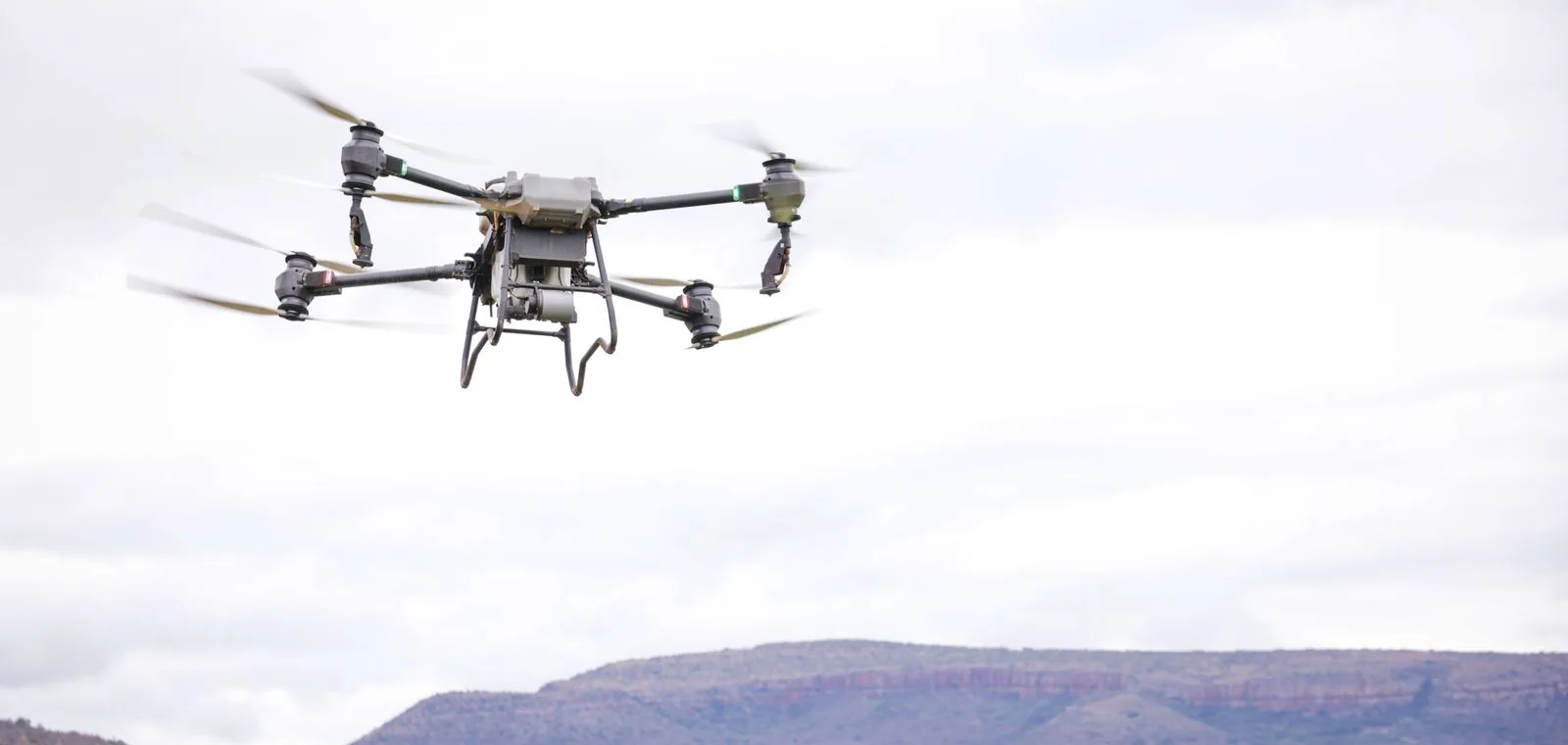
Crop health imaging
A five-band camera pulls apart what the eye lumps together: hungry plants, thirsty plants, and plants already fighting something off.
1.2 cm/px · NDVI, NDRE, thermal

No aircraft to own, no crew to hire. Product passes through at cost with the invoice attached.
Product and seed pass through at cost with the supplier invoice attached. Two hundred acres is the smallest contract we take; anything under that we quote job by job.
Imaging and a straight read on every block. Applications stay with your own sprayer and your own crew.
Imaging and application on a single contract, so the map and the aircraft that flies it answer to the same team.
For operations past 10,000 acres, or co-ops flying members' ground under one shared agreement.
Take one on its own, or let the imaging drive the applications. The second arrangement is where the money usually shows up.
A five-band camera pulls apart what the eye lumps together: hungry plants, thirsty plants, and plants already fighting something off.
The boom opens where the map says pressure sits and closes everywhere else. Same load in the tank, considerably more ground behind you.
Seed goes into standing corn, soft bottoms and grades no spreader will climb, without a wheel ever touching the ground.
Counts every plant between V2 and V4, then converts the stand into a yield figure solid enough to quote to a buyer.
A thermal sweep surfaces plugged emitters, pivot shadows and the low corner that goes under every wet April.
Hail, wind and flood damage packaged with time stamps, field boundaries and acreage totals adjusters sign off on.
If your question is not here, ring the dispatch line and ask to speak with an agronomist rather than a salesperson.
+1 (000) 575-898Not one. The certificates sit with us, the ratings sit with our pilots, and every notice and waiver is filed on our side. You supply gate access and a boundary file, and that is the whole of it.
Wind holding above 15 knots, rain falling, or visibility under three miles. Imaging can still go up in weather that would stop a spray pass, so a hold rarely wipes out the whole day’s schedule.
Processed imagery and the ranked report are in Fieldline within six hours of the aircraft landing. Anything urgent gets a phone call the same afternoon rather than an email that sits unread.
Most of our contracts run exactly that way. They get their own Fieldline login and the authority to approve, rewrite or throw out any rate map before it goes anywhere near an aircraft.
Whichever suits you. Supply it yourself and we bill only for the flying. Ask us to source it and it passes through at cost with the supplier’s invoice attached — there is no margin on product.
We hold full aerial application liability, and every flight writes its own as-applied log. If there is a problem, that log reaches you before you have thought to ask for it.
We ask for a review once the season is closed out and the numbers are settled. Nothing below has been edited.
What sold me was the follow-up flight. They come back a week later and show you whether the pass did anything. I had never had a service offer to be graded on its own work before.

Our blocks sit on a grade nobody wants to take a sprayer onto. The crew finished the whole thing in an afternoon, and the top of the canopy came out better covered than we ever managed by hand.

The chemical we did not buy covered the contract before August. The surprise was the water map, which explained a patch we had been treating as disease for four straight years.

They flew the quarter I had written off two years ago. The report came back the same evening with a tile line marked on it, and that field is back in rotation.

The as-applied log settled a boundary argument with a neighbour inside ten minutes. That alone was worth the season.

We used to spray on the calendar. Now we spray on the map, and the invoice for chemistry came in a third lower without a single acre going backwards.

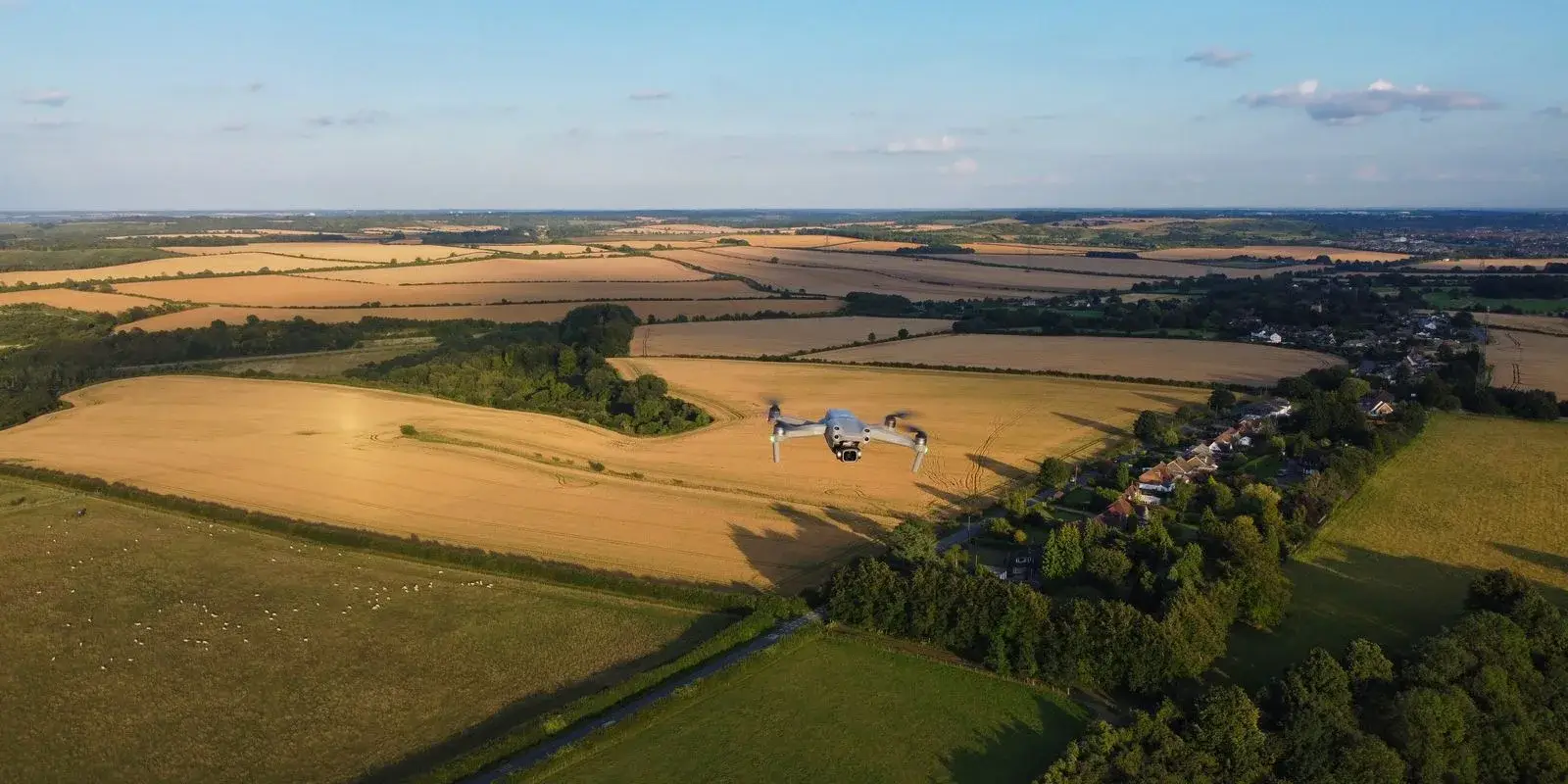
We will fly it once at our cost, hand over the report in full, and leave the decision with you. Demo slots go out within ten working days right through the season.